Song Meaning
The lyrics paint a picture of someone grappling with a separation they once agreed to, now finding themselves consumed by the desire to reunite. The initial parting was framed as temporary, a chance to "live apart / Only for a while," but the narrator admits, "Now it feels like it's all I waited for." This suggests a shift from a planned pause to an all-encompassing longing, where the present is defined by anticipation of a future reunion.
The central tension lies in the narrator's fervent belief in the possibility of rekindling the relationship versus the acknowledgment of its difficulty. They declare, "To love once again, I'd do / Anything," highlighting a desperate willingness to try. Yet, this is immediately tempered by the admission, "I may be lost / I may be blind but I am not a child," indicating an awareness of their own potential shortcomings or the complex reality of the situation. The repeated phrase "I know that we can make it" feels less like a confident assertion and more like a mantra against doubt.
A key craft element is the persistent, almost pleading repetition of "To love once again." This phrase acts as an anchor, a constant reminder of the narrator's singular focus. The contrast between the initial agreement to separate and the current overwhelming desire to reconnect is stark. The lyrics also subtly shift from a hopeful "we can make it / Last forever" to a more pragmatic "Right if only for a while," revealing a growing realism about the immediate prospects, even as the ultimate hope for peace of mind remains.
This song resonates because it captures that raw, vulnerable space after a breakup where hope and doubt wage war. The narrator’s willingness to do "Anything" and their desperate search for "a sign" are deeply human responses to loss and longing. The writing effectively conveys this emotional state by juxtaposing bold declarations of intent with quiet admissions of uncertainty, making the desire for love feel both powerful and fragile.
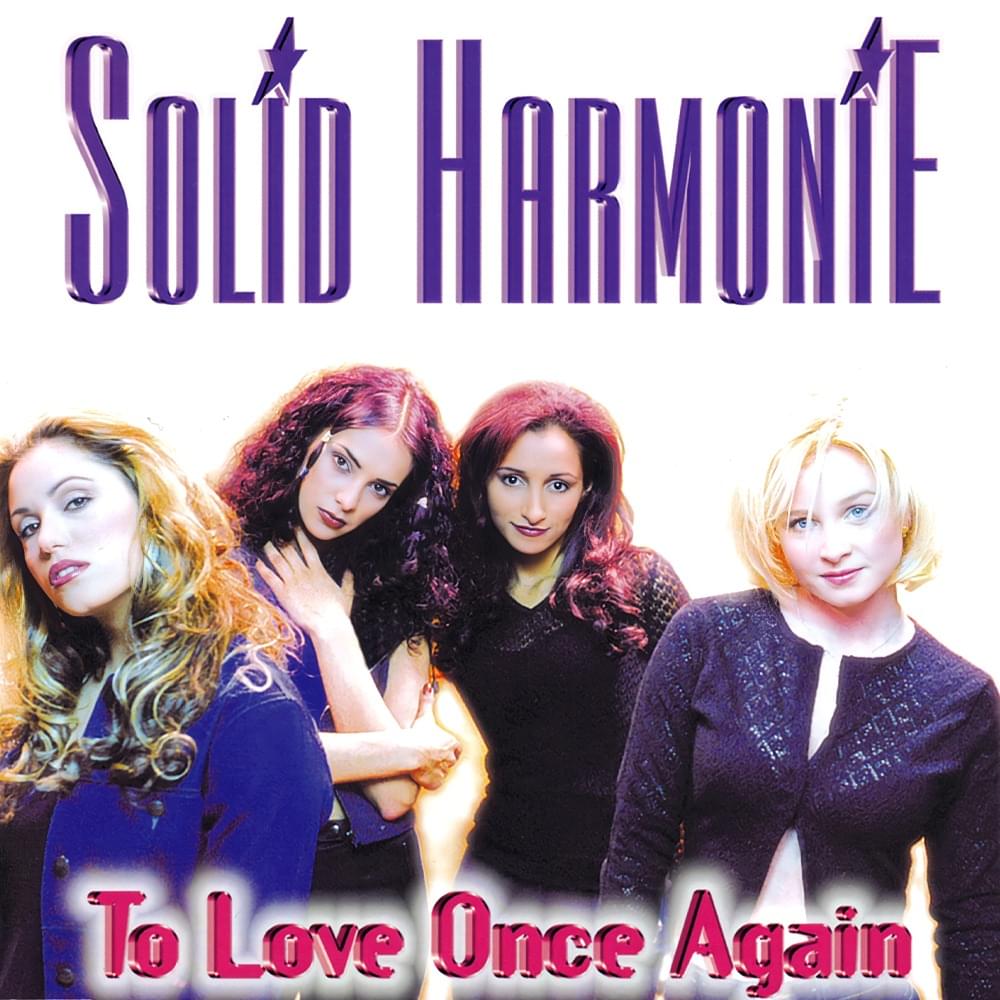
 View Artist