Song Meaning
The narrator returns to a place of past love, driven by a desperate need to reclaim what was lost. The opening lines paint a picture of sorrow and longing, a stark contrast to the implied happiness of a shared past. This return isn't casual; it's an act of pleading, a desperate attempt to mend a broken connection fueled by the narrator's own admission of fault.
The core tension lies in the narrator's self-blame and the hope for reconciliation. They acknowledge their role in the suffering but believe the depth of their current pain warrants a second chance. The lyrics express a profound dependence, stating "Sin ti no me podré hallar," highlighting the emotional void left by the absence of this love.
The craft here hinges on direct address and a plea for memory. The narrator implores the beloved not to forget past affirmations of love, specifically recalling a time when the beloved declared, "Sin ti no me podré hallar." This echoes the narrator's current sentiment, creating a powerful parallel and a subtle argument for renewed commitment. The request to "Olvida mi bien / El enojo aquel" is a direct call to move past conflict, framing forgiveness as the key to rekindling their bond.
This piece resonates because it captures the raw vulnerability of regret and the enduring power of a past connection. The narrator's admission of fault, coupled with their unwavering belief in the potential for love's rebirth, creates a compelling emotional arc. The direct, almost conversational plea makes the desire for reconciliation feel immediate and deeply personal, grounding the abstract pain in concrete memories and future hopes.
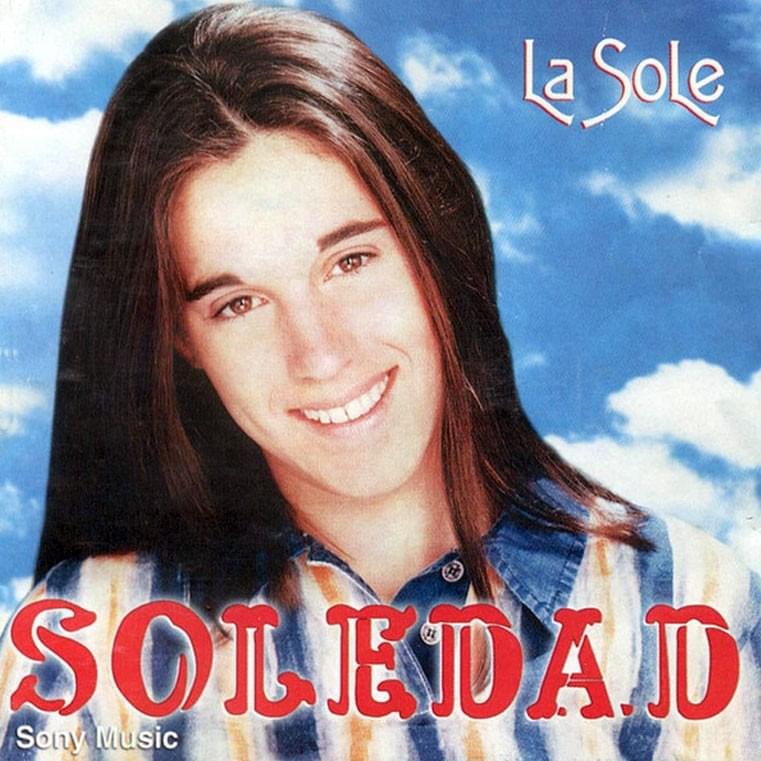
 View Artist