Song Meaning
The lyrics paint a vivid picture of a son's deep affection and enduring connection to his father, framed by the act of singing. The opening lines establish a powerful musical presence, with the guitar's overwhelming sound almost eclipsing the narrator's voice, yet the central command remains: "Canta para papá." This isn't just a performance; it's an offering, a way to express love and remembrance.
The song navigates a complex emotional landscape, moving from joyful reminiscence of a beautiful homeland ("Vieran que lindo mi pago") to the somber reality of loss. The narrator acknowledges that "Nada importaba en la noche," suggesting a past where only the present moment and the act of singing for his father mattered. This contrasts sharply with the later verses that address the father's passing, where the narrator advises, "Y si tu padre ya es viento / No lo llores nada más." This shift from active presence to memorialization is handled with a delicate touch, urging a different kind of connection.
The craft here is in its evocative imagery and the recurring motif of singing as a conduit for love and memory. The narrator describes his heart as "viento" and his poncho as "un palomar," abstracting his being into elements that can transcend physical presence. This allows the act of singing to become a way to maintain a connection, even when the father is gone, suggesting that "el alma sabe prestar / Un corazón sin distancia." The repeated phrase "Canta para papá" acts as a grounding mantra, reinforcing the central theme of persistent devotion.
Ultimately, the lyrics resonate because they capture the universal experience of honoring a parent through enduring love and memory. The advice to "Ponle un ramito de albahaca / Y canta para papá" offers a tangible, tender ritual for grief, transforming sorrow into a continued act of love. The narrator's assertion that he sings "Por el gusto de cantar" reveals a deeper truth: the joy of expression itself becomes a tribute, a way to "velar por la eternidad" by keeping the father's spirit alive through song and remembrance.
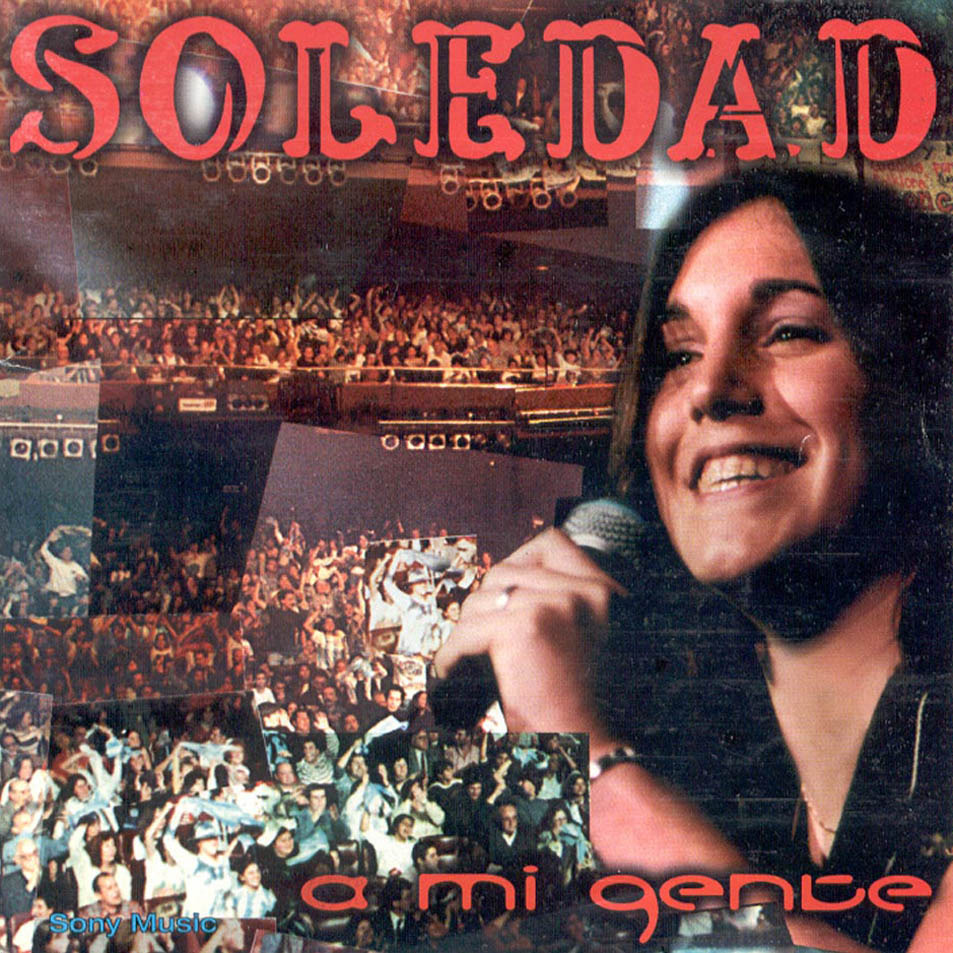
 View Artist