Song Meaning
This song paints a picture of an all-consuming, defiant love that stands against the world. The narrator dismisses all external advice to forget their beloved, declaring their love will persist even after death. This intense devotion is framed as a desperate need for healing, with the narrator willing to make extreme sacrifices for even a brief moment with their lover. The lyrics suggest a deep, almost spiritual connection that transcends societal judgment and even the natural order.
The central tension lies in the narrator's unwavering commitment versus the implied pressure to move on. The phrase "cuando me coma la tierra" (when the earth eats me) is repeated, emphasizing a love that is meant to outlast life itself. This isn't just a preference; it's presented as a vital necessity, a wound that only the beloved can heal, making the separation a potentially fatal condition for the narrator.
The imagery of the "cuatro elementos" (four elements) is striking, suggesting that even the fundamental forces of nature cannot separate the narrator from their love. This elevates the relationship beyond the mundane, making it a cosmic certainty. The outro's image of having "agua en los labios / Y no, no la puedo beber" (water on my lips / And I can't drink it) powerfully conveys a state of intense, unfulfilled longing and desperation, a thirst that the beloved, and only the beloved, can quench.
Ultimately, the lyrics resonate because they articulate a love so profound it borders on obsession, a force that defies logic and external opinion. The raw, almost desperate plea for connection, coupled with the grand, elemental declarations of fidelity, creates a potent emotional landscape. The narrator's willingness to give their soul to the devil for a moment of shared time highlights the extreme stakes of this singular devotion, making the simple refrain "Solos tú y yo" (Just you and me) feel like a sacred, hard-won sanctuary.
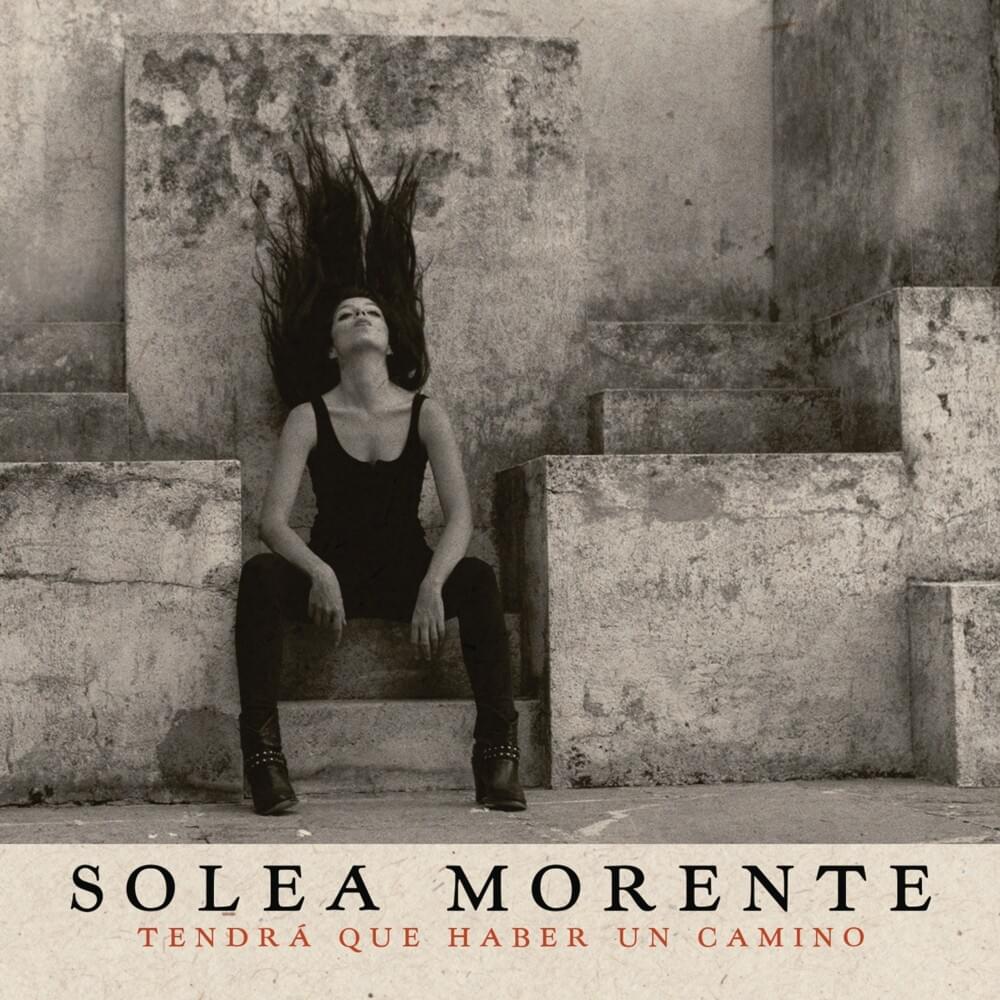
 View Artist