Song Meaning
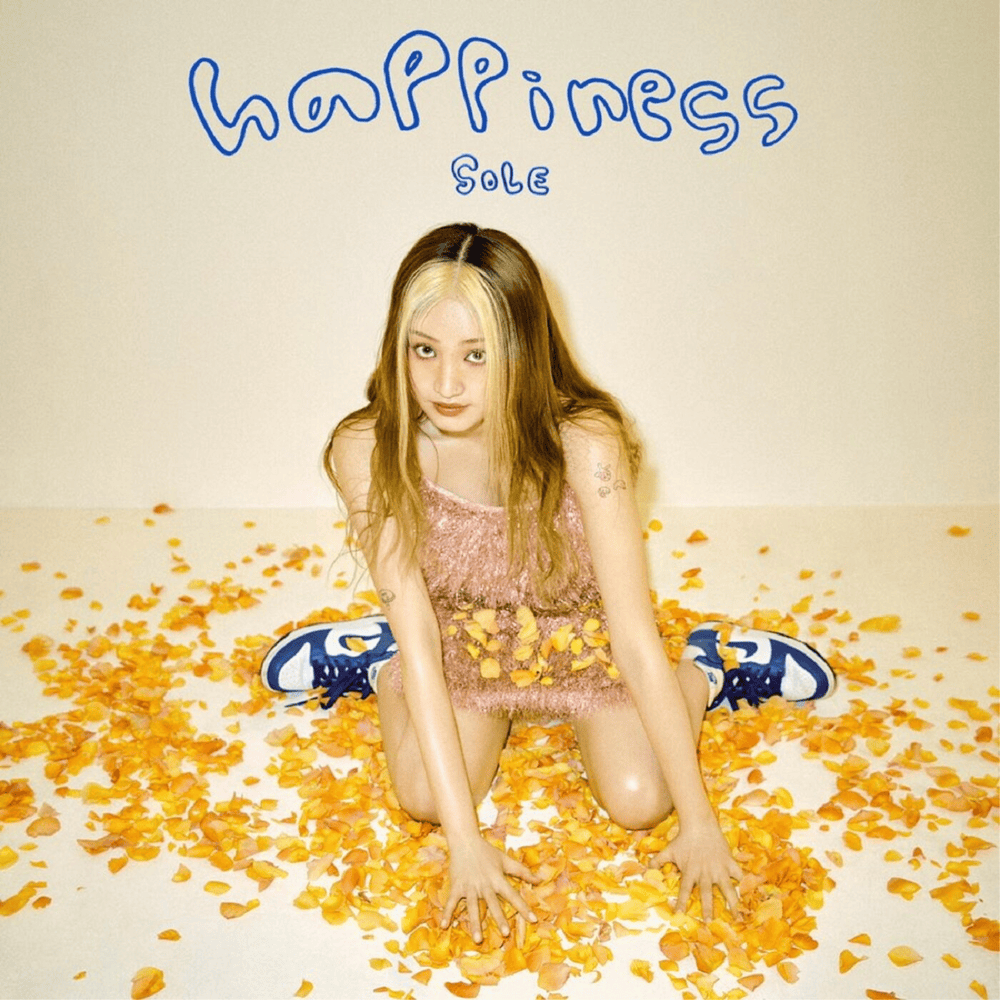
The lyrics paint a picture of someone adrift, passively letting days slip by while feeling disconnected from their own emotions. The opening lines, "생각 없이 하루를 보내고 / 눈치 보면서 기다리단 다 지나가고 없어" (Spending the day without thinking / Waiting while watching others, it all passes by and is gone), immediately establish a sense of lost time and a lack of agency. This feeling is compounded by a detached "멍하니 폰을 좀 보다" (blankly looking at my phone) and a general exhaustion, "이것도 다 지쳤어 뭐가 뭐다" (I'm tired of this too, what is what). The narrator admits, "내 맘이 내 맘이 아냐 oh 이미" (My heart isn't my heart, oh already), signaling a profound internal disconnect.
The core tension emerges in the pre-chorus: a desperate yearning for happiness clashes with a fear of being nothing. "행복하고 싶어 maybe / 아무것도 난 필요 없다고 / But 아무것도 아니고 싶진 않아" (I want to be happy, maybe / I say I don't need anything / But I don't want to be nothing). This paradox fuels the narrator's plea for connection and understanding, as they confess to being "조금 예민해졌어" (a little sensitive) and repeatedly state, "또 you know what I want" (you know what I want). The desire to "험한 이 세상 더 알고 싶어 난" (I want to know more about this harsh world) suggests a need to engage with life, even if it's difficult, rather than remain in a state of passive numbness.
The chorus offers a direct, almost apologetic, appeal for reassurance and shared experience. The repeated "Baby baby I'm sorry" and "이런저런 생각이 나 많이" (So many various thoughts come to me) reveal an overthinking mind seeking solace. The plea, "Please baby call me sometimes / 말해 어디든 난 가지" (Please baby call me sometimes / Tell me, I'll go anywhere), highlights a willingness to chase after happiness, wherever it might be found, as long as there's a connection. The final line of the second chorus, "차가운 세상에서 우리는 두 손을 놓지 마" (In this cold world, let's not let go of each other's hands), underscores the fragility of their state and the crucial importance of companionship in navigating a difficult reality.
Ultimately, the lyrics resonate because they articulate a common struggle with inertia and the complex, often contradictory, nature of wanting happiness. The writing captures the feeling of being overwhelmed and disconnected, while simultaneously expressing a raw, vulnerable desire for connection and engagement with the world. The simple, direct pleas for contact and the acknowledgment of internal turmoil make the narrator's search for happiness feel both deeply personal and universally understood.
 View Artist