Song Meaning
The lyrics paint a disorienting picture of a relationship that feels both consuming and illusory. The repeated, stark image of "she eats / Love's boy" sets a tone of almost predatory absorption, immediately followed by the dismissive reassurance, "You're gonna be okay." This contrast suggests a dynamic where one person is being metaphorically devoured or taken over by another, while simultaneously being told the experience is benign, a "good dream."
The central tension lies in the struggle between this perceived reality and the promise of genuine freedom. The narrator is urged to "Get back to your real life" and forget "what it meant to be free," implying the current state is a departure from true autonomy. Yet, the lyrics then pivot, asserting, "You're the king of the earth you choose / And you'll find what it means to be free," offering a different path to liberation, one that involves embracing the present moment: "Come on in, let it flow / This is real, can you feel."
The most striking craft element is the juxtaposition of the visceral, almost violent imagery of consumption with the abstract, comforting platitudes. The phrase "Love's boy" itself is ambiguous, potentially referring to someone deeply infatuated, a victim of love, or even a personified concept. The repetition of "And she goes" after "And she eats / Love's boy" further emphasizes a sense of inevitable movement or departure, leaving the listener to question the nature of this "eating" and "going."
Ultimately, the effectiveness of these lyrics stems from their ability to evoke a potent sense of unease and longing for authenticity. The push and pull between being consumed and finding freedom, between a "good dream" and "real life," creates a compelling emotional landscape. The ambiguity allows listeners to project their own experiences of complex relationships and the search for selfhood onto the narrative, making the abstract struggle for freedom feel intensely personal.
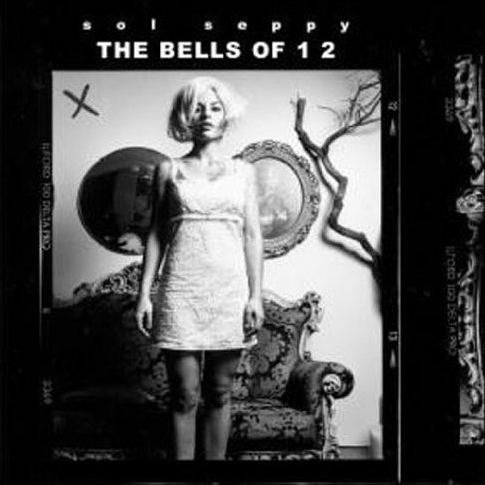
 View Artist