Song Meaning
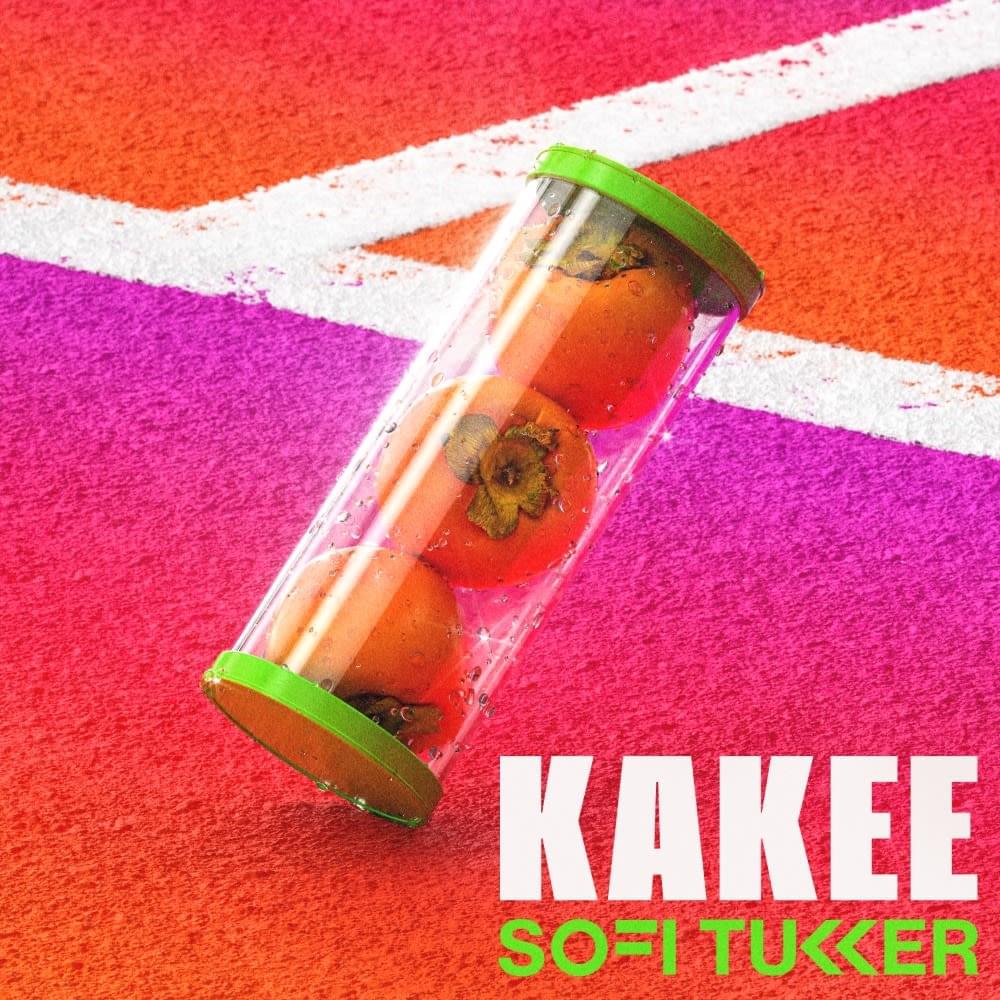
The lyrics present a playful rejection of the ordinary, opting instead for the singular experience of the 'caqui' (persimmon). The narrator explicitly states what they *don't* want – common fruits like pear, grape, apple, and pineapple – and what they *don't* identify as – being from 'here' or 'there,' or even as 'Sofi.' This establishes a clear contrast between the mundane and a unique, desired state.
The central tension revolves around this deliberate choice to embrace the 'caqui' as a mode of transport and identity. The repeated declaration, 'Vou de caqui' (I'll go by caqui), functions as a mantra, overriding conventional methods like walking, train, or taxi. It suggests a desire for a distinct, perhaps more visceral or unconventional, way of moving through the world and defining oneself.
The bridge offers a vivid, sensory image of consuming the fruit, highlighting its messy, staining nature: 'Manchou toda a minha roupa / No meu peito, meu nariz.' This tactile detail grounds the abstract choice of 'caqui' in a physical reality, even describing the result as 'um caquito sexy.' The lyrics seem to embrace this imperfection and sensuality as part of the appeal, transforming a simple fruit into a symbol of a desired, slightly chaotic, and undeniably attractive self-expression.
Ultimately, the effectiveness of these lyrics lies in their confident assertion of individuality through a quirky, unexpected metaphor. By rejecting commonalities and embracing the specific, slightly messy allure of the 'caqui,' the song creates an infectious sense of playful defiance and self-acceptance. The repetition and the playful sounds in the outro reinforce this lighthearted, yet firm, declaration of a unique path.
 View Artist