Song Meaning
The lyrics paint a picture of someone embracing life's imperfections with a defiant joy. When asked what's wrong, the narrator simply states they're fine, but crucially, they don't cry for those who hate them. This sets up a core theme: a deliberate choice to focus on personal well-being over external negativity, finding contentment not in perfection, but in the acceptance of their own flaws and the simple affirmation of "ma si" – "but yes." This is a conscious decision to live as if every day is their perfect day, regardless of external judgment.
The central tension arises from the contrast between having limited time and an abundance of life. The narrator asserts, "tempo non ho / Ma di vita ne ho" (I don't have time / But I have life). This isn't about squandering time, but about prioritizing the *experience* of living. The recurring idea that "di vivere sai, non mi stanco mai" (you know, I never get tired of living) underscores this passion. The lyrics suggest that true fulfillment comes from recognizing moments of intense feeling, described as "un brivido dentro" (a shiver inside), as love, and acknowledging that this feeling is insatiable.
The most striking aspect of the writing is the narrator's self-awareness and vulnerability, juxtaposed with their resolute attitude. They admit, "A volte mi nascondo un po' / Lo so" (Sometimes I hide a little / I know), and question if this is normal. Yet, they immediately pivot to a powerful declaration: "E mi vedrai / Se non sai / Non sai che a fingere non riesco mai" (And you will see me / If you don't know / You don't know that I can never pretend). This honesty, this inability to feign, is presented as a fundamental truth, reinforcing the commitment to authentic living, even with its hidden moments and perceived oddities.
Ultimately, the effectiveness of these lyrics lies in their raw, unvarnished embrace of a life lived fully, flaws and all. The repeated affirmation of living without tiring, coupled with the acknowledgment of love's potent, never-ending pull, creates an infectious sense of conviction. It’s not about achieving an external ideal of a perfect day, but about cultivating an internal state where acceptance and passion make every moment feel like the best possible one, concluding with a simple, powerful "È perfetto sai" (It's perfect, you know).
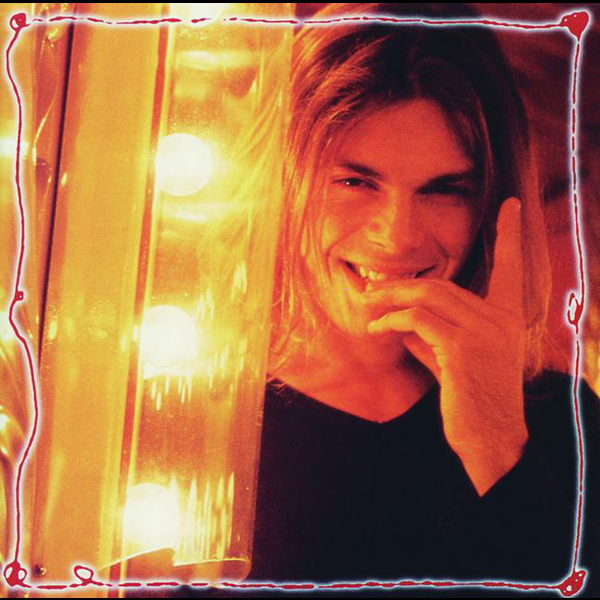
 View Artist