Song Meaning
A man leaves his "casa vacía," drawn by the "suave aire del desierto." He then encounters the "luna roja" over a "mar negro." This striking, almost cinematic image immediately sets a mysterious and ominous tone, hinting at a profound, perhaps dangerous, transformation.
What begins as a willing surrender quickly turns dire. The man, initially a "león," becomes a "cordero" after seeing the red moon. This stark contrast suggests a powerful, humbling experience that strips away his strength or innocence. He then "ruega a Dios poder volver" from the desert, indicating deep regret and a desperate desire to undo his encounter with this potent, otherworldly vision.
The narrative perspective shifts from observing "él" to a first-person "yo" who warns, "Cuídame, yo te cuidaré." This speaker admits to having "pagado placeres ciegos" themselves, suggesting a shared understanding of temptation and consequence. The refusal, "No quiero ver" the red moon, underscores the profound fear and the lesson learned from such experiences, implying a cycle of allure and regret.
The repeated image of the "luna roja" acts as a hypnotic, central motif, intensifying its power and omnipresence. The outro explicitly labels it "peligrosa" and warns, "te hace mortal." This direct address and stark consequence elevate the red moon from a mere celestial body to a formidable, almost sentient force that fundamentally alters those who succumb to its gaze, leaving them vulnerable and changed forever.
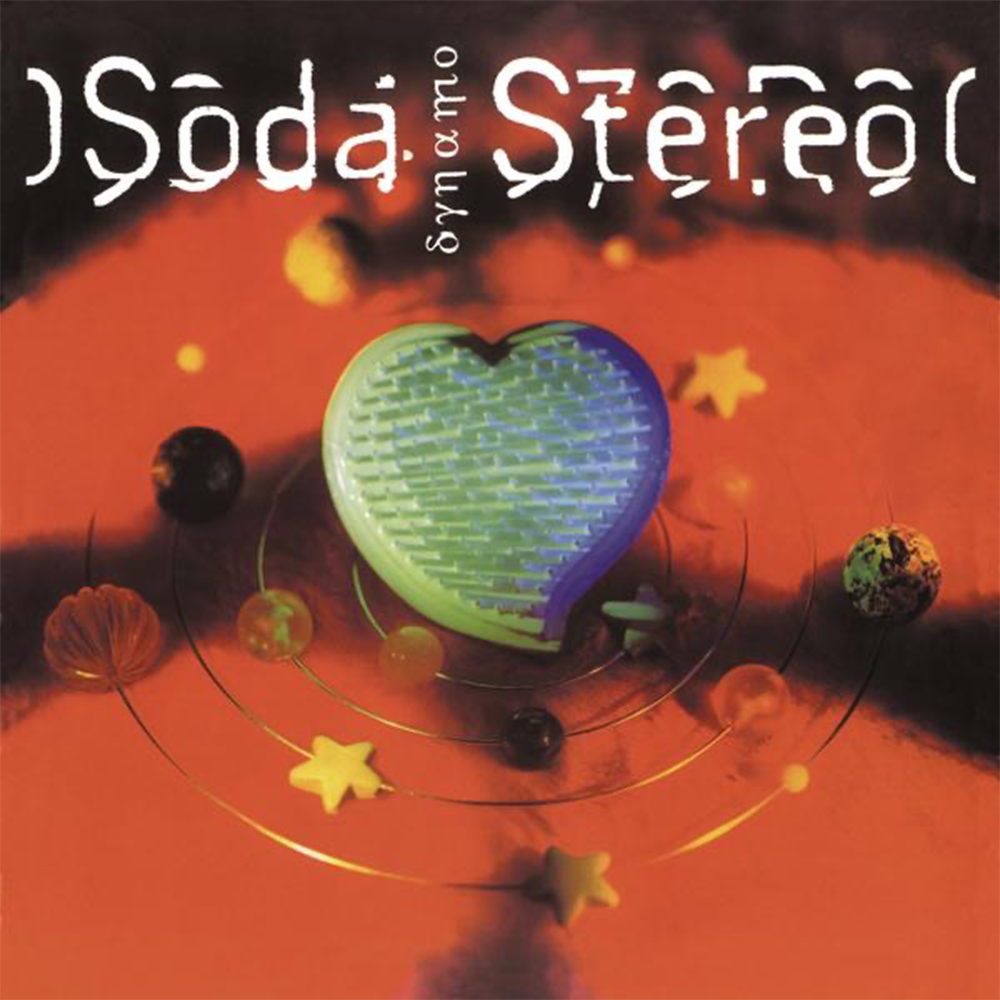
 View Artist