Song Meaning
These lyrics open with a stark portrayal of suppression, where the speaker feels silenced and confined. Images like "Ábreme la boca" and "córtame las alas" immediately establish a sense of profound control exerted by an external force. Yet, this isn't a lament; it's a defiant prelude to a powerful declaration of independence.
The central tension here lies in the urgent pivot from being controlled to seizing personal agency. The repeated refrain, "No perdones, no lo dejes pasar," isn't about forgiveness in the traditional sense. Instead, it seems to be a fierce command to oneself or a general maxim: don't pardon harmful situations, don't let opportunities for change slip by. This urgency is amplified by the life-affirming chance to "cambiar el rumbo y no retroceder."
The craft truly shines in the shift from passive victimhood to active self-guidance. The speaker rejects external manipulation with direct commands like "Suéltame la mano" and the vivid "no estrujes mi cerebro." This rejection culminates in the powerful assertion, "Debes ser tu propio guía," a clear call for introspection and self-reliance. The later clarification, "No permitas, que te utilicen," grounds the initial, more abstract "No perdones" in a concrete warning against exploitation.
Ultimately, these lyrics hit hard because they articulate a universal struggle for autonomy with raw, visceral language. The journey from feeling utterly stifled to embracing an unyielding resolve to steer one's own life resonates deeply. It's a potent anthem for anyone ready to break free and forge their own path, refusing to let any moment of opportunity, or any act of exploitation, go unaddressed.
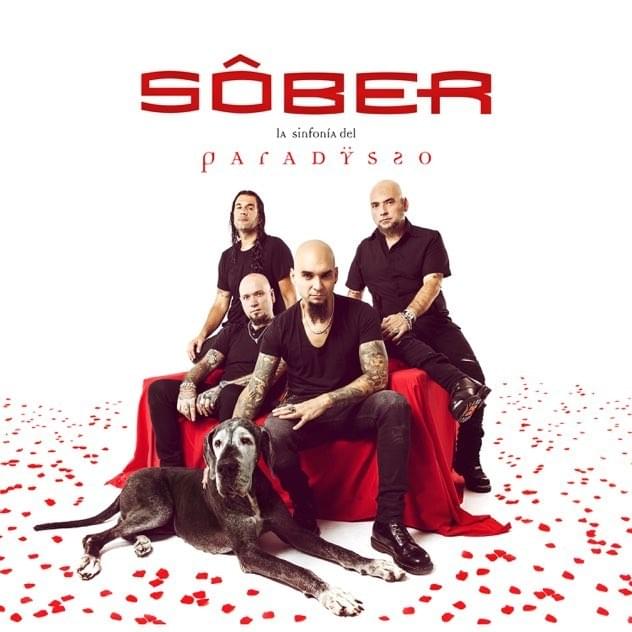
 View Artist