Song Meaning
This feels like the aftermath of a missed opportunity, a communication that never arrived. The narrator describes an item, possibly a letter or a memento, that was prepared but then abandoned. It was "left hanging on a hook," then "slipped it in an envelope," only to be "left dusty on a shelf." The dominant tone is one of neglect and a quiet, almost absurd, sense of loss. The imagery paints a picture of something once intended for connection now relegated to forgotten storage.
The core tension lies in the contrast between potential and reality, between what could have been and what is. The envelope, specifically noted as having "no stamp no address," is a potent symbol of failed intent. It was meant to travel, to reach someone or somewhere, but its preparation was fundamentally incomplete. This "foolishly ignored" object becomes a "small temple to insanity," a "shrine to nowhere," highlighting the futility of its existence in this state of limbo. It represents a celebration that was never sent, a moment of joy or significance left unshared.
The most striking aspect of the writing is the personification of the neglected object as a "temple" and "shrine." This elevates the mundane act of forgetting into something almost ritualistic, albeit a ritual for "insanity" and "nowhere." The repetition of "foolishly ignored" underscores the narrator's own perceived failure or regret. The final line, "It could be a celebration, foolishly ignored," crystallizes the emotional weight, suggesting a lost joy or a missed chance at happiness that now exists only as a ghost of potential.
What makes these lyrics resonate is their quiet portrayal of self-sabotage or passive regret. The object itself is inert, but its description as a "temple to insanity" suggests a mental space the narrator inhabits. The failure isn't in the object's inability to move, but in the human decision to let it remain stationary, unaddressed, and ultimately, uncelebrated. It's a poignant snapshot of potential joy left to decay in the dust.
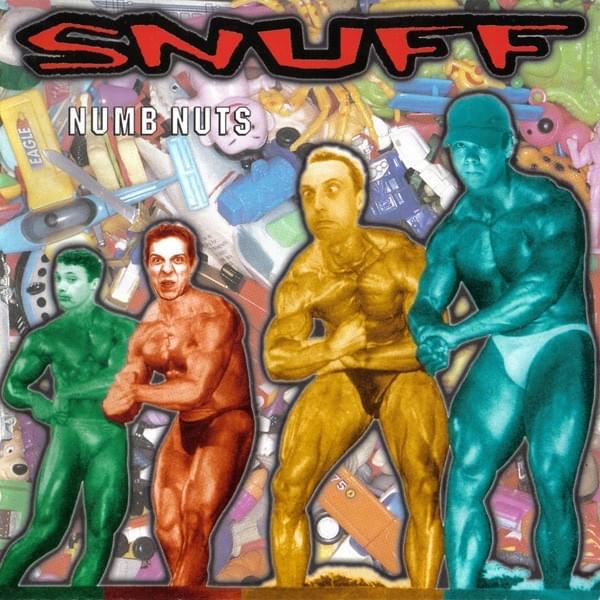
 View Artist