Song Meaning
The lyrics set up a stark contrast between perceived male and female roles, immediately framing the male identity with a "drunk thing" and a fear of speaking. This suggests a man whose identity is tied to intoxication or perhaps a loss of control, and who is hesitant to express himself. The female identity, conversely, is labeled "sensitive," but this is quickly subverted. The narrator asserts that when a woman is truly herself, she becomes a "mad, mad man."
The central tension arises from this unexpected equation of female authenticity with a "madman" persona. It flips conventional expectations, implying that societal pressures or perhaps an inherent wildness within women is perceived as madness when it deviates from a "sensitive" mold. The repeated "Madman" refrain hammers home this idea, suggesting it’s a label applied to women who refuse to conform to a passive or delicate image.
The most striking craft element is the direct juxtaposition and then conflation of male and female descriptors. The initial setup of the man being "afraid of the speaker" and "no angel" feels like a setup for vulnerability, but it’s the woman’s supposed "madness" that carries the weight of the repeated chorus. This creates a disorienting effect, forcing the listener to question what constitutes "madness" and who is truly in control or expressing a more potent truth.
This lyrical construction is effective because it uses simple, declarative statements to build a complex, subversive idea. The repetition of "Madman" acts like a chant, imprinting the central paradox onto the listener. It’s the unexpected twist—that a woman’s true self is labeled a "madman"—that makes these lyrics resonate, challenging easy categorization and highlighting the societal tendency to pathologize female assertiveness or deviation.
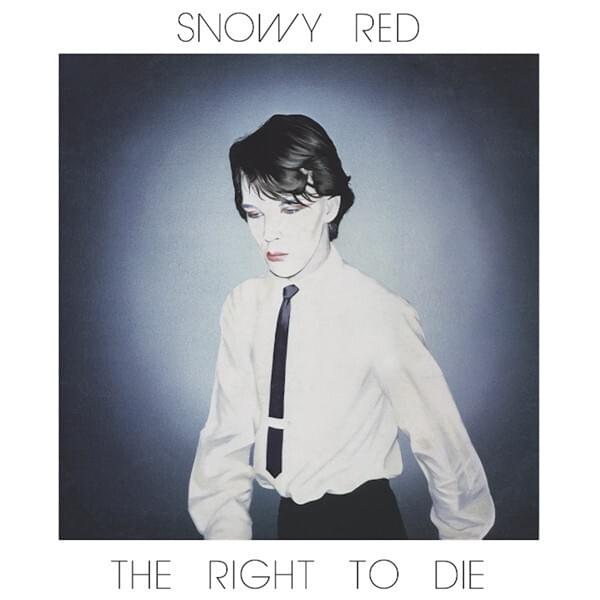
 View Artist