Song Meaning
The narrator feels a profound disconnect from others, seeking solace in an unconventional communion with nature. The opening line, "Talk to the trees," immediately establishes a sense of isolation, suggesting a retreat from human interaction. This isolation is further emphasized by the declaration, "That's why they take me away," implying a voluntary, almost ritualistic, departure from the perceived norms of society. The imagery hints at a person who finds more understanding in the natural world than in the human one, a quiet rebellion against being seen or understood by others.
The core tension arises from the narrator's self-awareness of their own unhealthy dependence, coupled with a suspicion of deception in their relationships. "A little obsessed by how much I depend" reveals a vulnerability, an acknowledgment of a potentially destructive reliance. This internal conflict is amplified by the accusatory line, "But somebody else's cased your head and seen your other lies," suggesting a betrayal or a realization that others are not as transparent as the trees appear to be. The narrator seems caught between a need for connection and a deep-seated distrust.
The most striking aspect of the lyrics is the personification of the trees as confidantes, a stark contrast to the perceived duplicity of human relationships. The phrase "I married the game" is a powerful metaphor for a complete devotion to something all-consuming, perhaps an addiction, a career, or a lifestyle that has alienated the narrator. This "game" has had a profound, unseen impact, "what it's done to me," highlighting a hidden cost. The trees become the silent witnesses and perhaps the only entities capable of absorbing the narrator's unspoken burdens, offering a form of acceptance that human interaction apparently cannot.
Ultimately, the effectiveness of these lyrics lies in their raw portrayal of alienation and the quiet desperation for genuine connection, even if found in an unconventional source. The narrator’s internal monologue, oscillating between self-recrimination and suspicion of others, creates a compelling portrait of someone adrift. The simple, almost childlike plea to "Talk to the trees" underscores a profound loneliness, a yearning for a simpler, more honest form of communication in a world perceived as complex and deceitful.
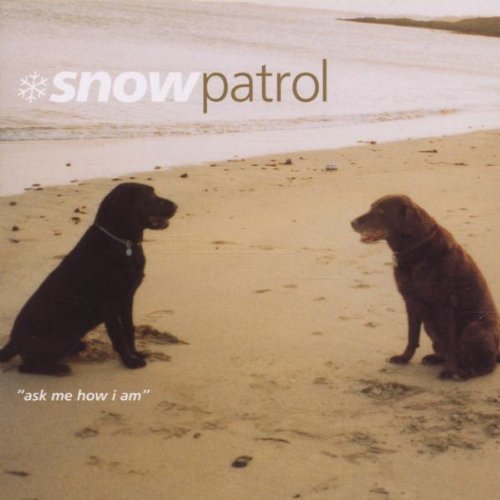
 View Artist