Song Meaning
The lyrics paint a poignant picture of a woman finding solace and a reflection of her lost love in a blooming rose. The initial image of the rose flowering triggers an immediate emotional response, tears, suggesting a deep connection between the flower's beauty and her own sorrow. The narrator directly addresses the rose, lamenting that she has given her youth to it, watering it with her tears. This establishes a powerful, almost symbiotic relationship between her grief and the flower's existence.
The central tension arises from the juxtaposition of the rose's vibrant bloom and the narrator's enduring sadness, tied to the absence of her beloved. She recalls nurturing the rose from a bud, kissing its branches instead of her lover's lips. This act of substitution highlights the depth of her longing and the void left by his departure, transforming the rose into a surrogate object of affection and a constant reminder of what is missing.
The most striking craft element is the personification of the rose and its transformation into a vessel for the narrator's memories and emotions. The repetition of lines like "Ružo moja, mladost sam ti dala" (My rose, I gave you my youth) and the imagery of drinking dew "'Mesto usne mojega dragana" (Instead of my darling's lips) powerfully convey her sustained devotion and the bittersweet nature of her vigil. The rose becomes a living monument to her lost love and her unwavering hope, even after a full year of waiting.
This lyrical construction is effective because it grounds profound emotional pain in a tangible, natural image. The rose's bloom, a symbol of life and beauty, becomes inextricably linked to the narrator's sorrow and longing, making her internal state palpable. The specificity of her actions—watering with tears, kissing branches—and her direct address to the rose create an intimate, melancholic atmosphere that resonates with the quiet ache of enduring love and absence.
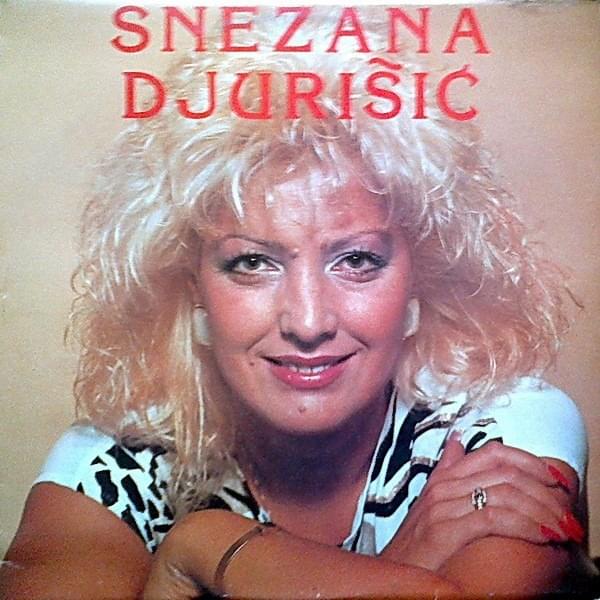
 View Artist