Song Meaning
This track immediately establishes a stark contrast between the speaker and an unnamed "you." The narrator questions how the other person can exist with such apparent ease and lack of understanding, feeling like a mere reflection. The repeated line, "I'm not your silhouette," acts as a defiant assertion of individuality against an imposed image. The core tension lies in the speaker's struggle to break free from being perceived as a shadow or an extension of someone else's identity.
The chorus introduces the phrase "Tu est ma fille concrete," which translates to "You are my concrete daughter." This is a fascinatingly complex image, suggesting something solid, unyielding, and perhaps even manufactured or imposed, yet still a "daughter." It seems to imply a relationship where the speaker feels their own identity is being solidified or defined by this other person, in a way that is both foundational and restrictive. The repetition of "I'm not your silhouette" reinforces the desire to escape this solidified, yet ultimately flat, representation.
The second verse sharpens the critique, questioning the other person's perceived brilliance and suggesting they are merely selling themselves to superficial trends. The instruction to "keep on dancing" implies a superficial performance, a lack of genuine substance. The speaker's insistence, "I'm not your silhouette," here feels like a rejection of that superficiality and a plea to be seen for their own, unreflected, self. The lyrics craft a portrait of someone fighting to assert their own existence against an external force that seeks to define them as a mere copy or a passive object.
Ultimately, the effectiveness of these lyrics stems from their directness and the potent, albeit abstract, imagery. The central metaphor of the "silhouette" powerfully conveys the feeling of being reduced to a shadow, while "fille concrete" offers a unique and unsettling counterpoint, suggesting a forced, solid identity. The repeated, almost mantra-like, assertion of "I'm not your silhouette" creates a sense of urgent self-preservation, making the speaker's desire for authentic selfhood palpable.
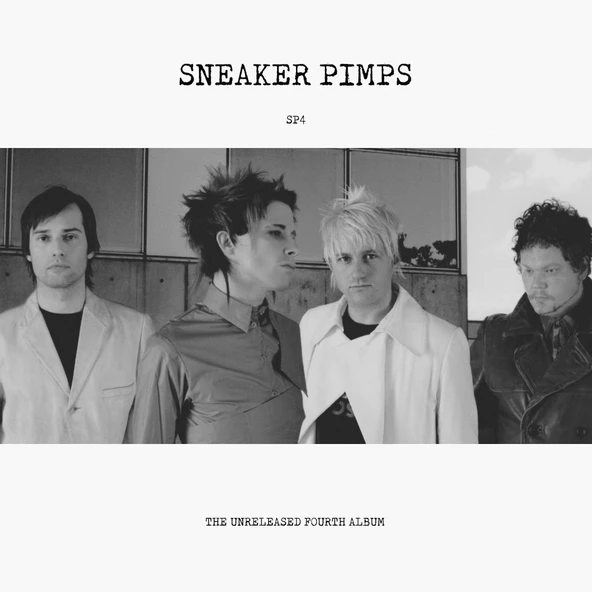
 View Artist