Song Meaning
The narrator recounts a departure, a moment of perceived freedom tinged with the bittersweet reality of leaving someone behind. The imagery of a "rainy September day" and "head was in the clouds" paints a picture of hopeful escape, yet the "tear was in your eye" suggests a more complex emotional landscape for the person being left. This initial contrast sets up the central conflict: a personal liberation that comes at the cost of another's visible distress.
The core tension lies in the narrator's conflicting feelings and the other person's apparent indifference. The narrator admits needing the other person, stating, "You know I'd tell a lie if I said didn't need you now." This vulnerability clashes directly with the repeated, stark assertion, "But you don't care, you don't care, you don't care anymore." The finality of "now there's nothing worth mending" and "it can't be undone" underscores the irreparable damage and the narrator's isolation.
The most striking aspect is the stark, almost brutal repetition of "you don't care." This phrase acts as an anchor, grounding the narrator's internal turmoil in an external, perceived reality. The shift from the hopeful "call of freedom's voice" to the desolate "here I stand alone" highlights the emotional cost of this perceived indifference. The narrator's wish for "love was never ending" is met with the harsh present: "now there's no use in pretending."
This lyrical construction effectively conveys a profound sense of loss and regret, amplified by the imagined or real apathy of the other person. The narrator's internal monologue, oscillating between past desires and present desolation, is made palpable through the direct confrontation with the other's perceived lack of feeling. The simple, declarative "you don't care" becomes a devastating refrain, capturing the sting of abandonment when one still holds onto a need for connection.
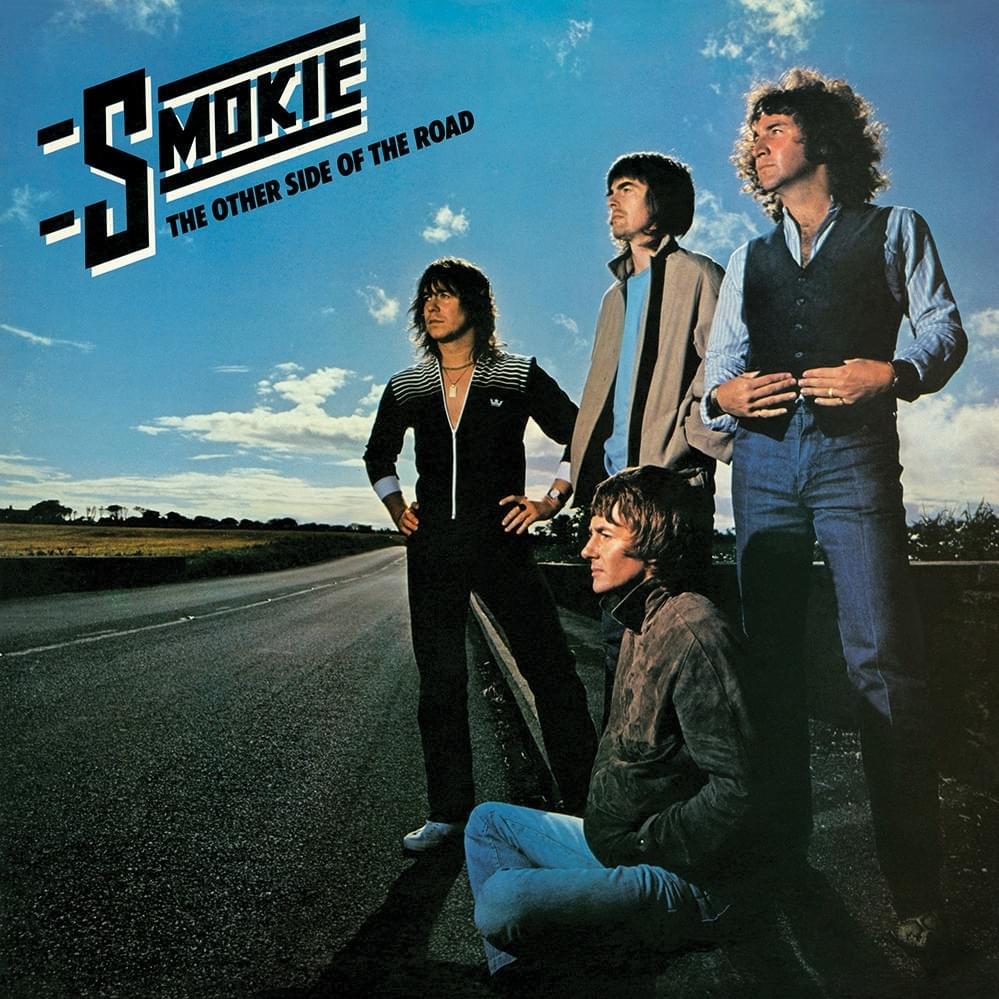
 View Artist