Song Meaning
The lyrics paint a picture of profound displacement and the allure of escape, posing hypothetical scenarios of looking down on ancient landscapes. The narrator questions whether the discovery of life-sustaining water on an "Egyptian plain" would be enough to draw someone back, hinting at a prior, perhaps arduous, existence there. This sets up a contrast with the vast, awe-inspiring imagery of the "Aegean sea" and a sunrise, suggesting a more transcendent or destined experience.
The central tension arises from the choice between a grounded, perhaps difficult, past and an aspirational, elevated present. The repeated questions about returning to the "Egyptian plain" and the contemplation of one's reflection in the "Aegean sea" highlight a search for belonging and purpose. This internal debate is ultimately superseded by the declaration, "you and I, we're flyin' high," which signifies a deliberate ascent beyond these earthly considerations.
The most striking craft element is the juxtaposition of the grounded, almost arid imagery of Egypt with the expansive, celestial imagery of flying. The transition from looking "down on" plains and grain to looking "down on a sunrise" and then to "touch[ing] the sky" marks a significant shift in perspective. The final lines, "We were born in the waters, lost in the sands, Now, we're flyin' high," offer a metaphorical origin story, suggesting a journey from primal origins and potential entrapment to an elevated, liberated state.
These lyrics resonate because they tap into a universal desire for transcendence and freedom from limitations. The carefully chosen images, from the "golden grain" to the "sunrise in the east," evoke a sense of wonder and possibility. By framing this ascent as a shared experience – "you and I" – the song creates an intimate sense of collective liberation, making the act of "flyin' high" feel both personal and profound.
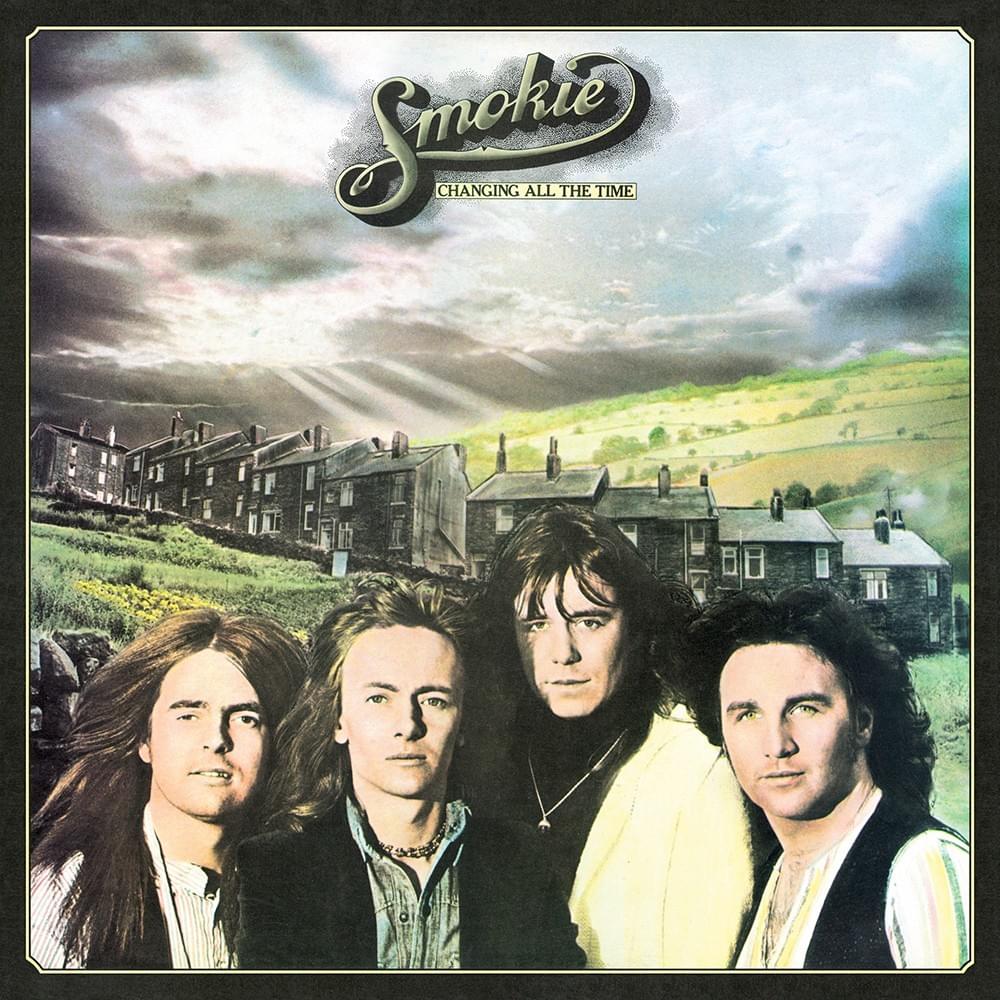
 View Artist