Song Meaning
The narrator grapples with the aftermath of a friend's departure, realizing the depth of their loss only after the initial shock wears off. The opening lines establish a struggle with communication, suggesting that words, the narrator's only tool, are insufficient and difficult to articulate when needed most. This sets a tone of isolation and regret, as the narrator admits, "Never thought that it feels so wrong." The abrupt departure of the friend, without any promise of return, plunges the narrator into despair, declaring, "Now my life is at an end."
This despair, however, seems to evolve into a complex mix of longing and defiance. The lyrics reveal a period of blindness, where the narrator couldn't see the true extent of the situation or perhaps the friend's true feelings. Now, with the friend firmly in the past, the narrator reflects on how they might have endured the separation, admitting, "Didn't know I'd feel." There's a poignant realization that thinking of the departed friend has become "easy somehow," hinting at a gradual emotional processing.
The most striking element is the narrator's internal conflict between wanting to express continued availability and a newfound resolve. The desire to say "I'll be here any day / If you want me" clashes with the hard-won realization that they've been hurt. This culminates in the powerful, repeated declaration, "Ain't gonna run to you again," a statement of self-preservation that directly contradicts the title and the earlier sentiment of wanting the friend back. The final, almost desperate repetition of "Run to you again" suggests this resolve is still fragile, a battle being fought in real-time.
Ultimately, the effectiveness of these lyrics lies in their raw portrayal of emotional whiplash. The narrator moves from profound loss and a sense of finality to a more nuanced understanding of their own resilience, even if that resilience is hard-won and still tested. The tension between the lingering desire for connection and the emerging need for independence makes the narrator's internal struggle palpable and deeply resonant.
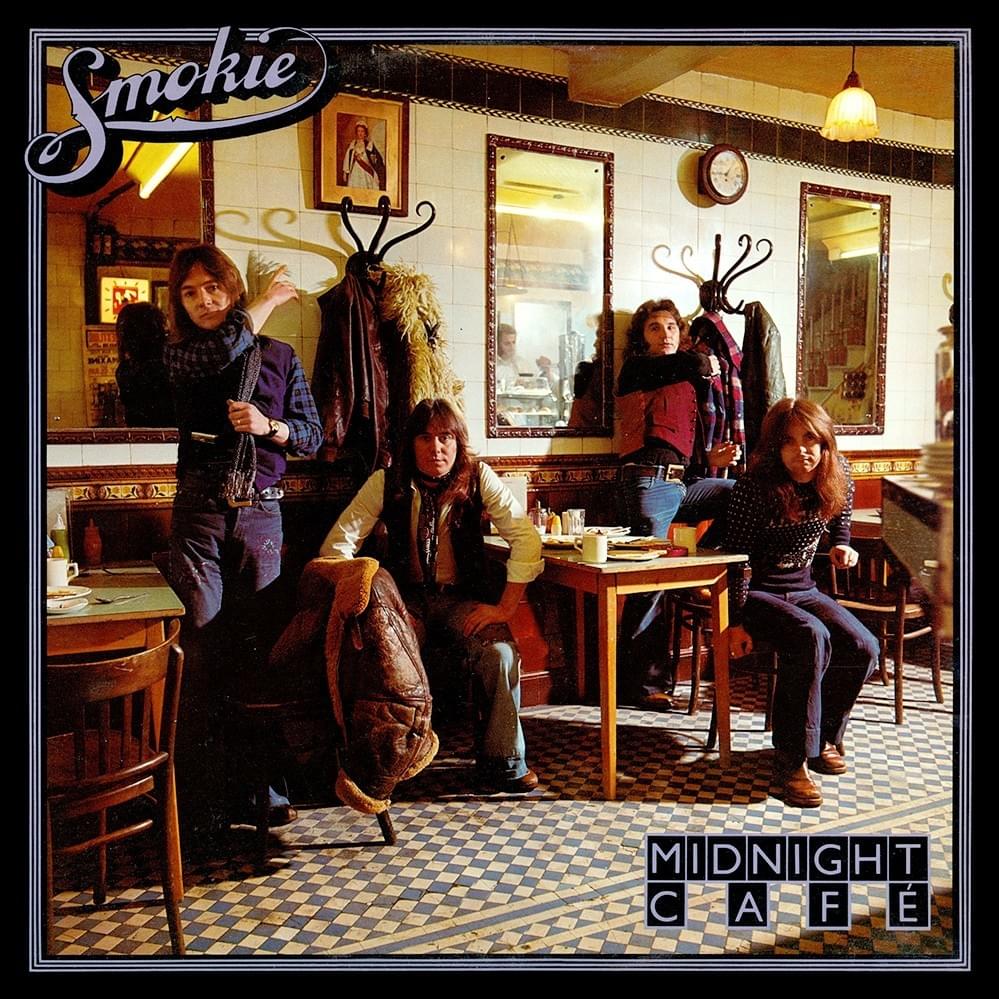
 View Artist