Song Meaning
This track opens with a stark, almost weary depiction of being down on your luck. The narrator paints a picture of "run down heels" and being "left outside with your college books," immediately establishing a tone of struggle and isolation. Yet, this bleakness is immediately undercut by a sharp, almost ironic observation: "the great thing about being you / Is you can do whatever you want to do." This contrast suggests a perspective shift, perhaps a sarcastic jab at someone else's perceived freedom or a genuine, albeit bitter, acknowledgment of a different reality.
The core tension here seems to be between the narrator's own hardship and a desire to share something positive, something "good." The repeated plea, "So if you turn on to something good... Pass it around," acts as a refrain, urging connection and distribution. This isn't just about personal enjoyment; the subsequent lines, "Don't keep it to yourself cos I ain't got nothin' else / Don't keep it to yourself cos I need your help," reveal a deeper desperation. The "something good" becomes a lifeline, something vital that the narrator needs to be shared, highlighting a profound sense of lack.
The most striking aspect of the writing is the juxtaposition of external circumstances with internal freedom. The narrator details being "locked inside nearly every night" and the social stigma of "ain't got a car," forcing endless walking. Despite these constraints, the recurring line about being "free to do what you want to do" feels like a deliberate, almost defiant, assertion. It's unclear if this freedom belongs to the person being addressed or if it's a philosophical point the narrator is grappling with, but its placement after descriptions of confinement is powerfully ironic.
Ultimately, the effectiveness of these lyrics lies in their raw, unvarnished portrayal of need. The narrator isn't asking for pity but for a shared experience, a connection through whatever "good" can be found. The simple, direct language and the insistent repetition of the chorus create a sense of urgency, making the plea to "pass it around" feel less like a casual suggestion and more like a critical act of survival.
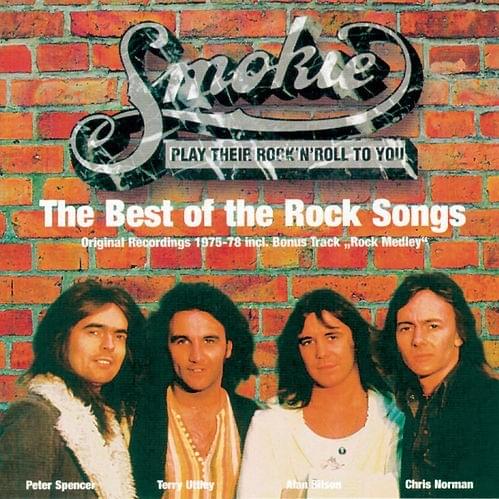
 View Artist