Song Meaning
The lyrics paint a stark picture of lost love and the painful process of moving on. The narrator recalls a deep, formative connection from childhood, emphasizing shared experiences and a profound sense of peace the other person brought. This idyllic past is sharply contrasted with the present loneliness and the struggle to accept the finality of the loss. The repeated phrase "I'll find the way to carry on" underscores a determined, albeit somber, resolve to endure.
The central tension arises from the narrator's confrontation with someone new who presumes to understand their pain. The lines "Now you think you know the trouble in my heart / You tried on to use it and tore it apart" suggest a betrayal, where this new person exploited the narrator's vulnerability after the original loss. This adds a layer of bitterness to the grief, as the narrator feels their pain has been misunderstood and even exacerbated by someone who claims insight but only caused further damage.
The most striking aspect of the writing is the juxtaposition of past intimacy with present alienation. The narrator's memory is a source of both comfort and torment, as they "keep on loving her each day" while simultaneously acknowledging "The love that we shared I know now has gone." This internal conflict is amplified by the intrusion of the new person, highlighting how past wounds can be reopened by present insensitivity. The "sleepless nights" are a testament to this ongoing emotional turmoil.
Ultimately, these lyrics resonate because they capture the universal experience of grappling with loss and the unexpected ways grief can be complicated. The narrator's quiet determination to "carry on" and "keep alive" the memory of love, even as it's "gone," speaks to the enduring power of past connections. The raw honesty about feeling misunderstood by others, especially when one is already hurting, makes the narrator's plight feel deeply personal and achingly real.
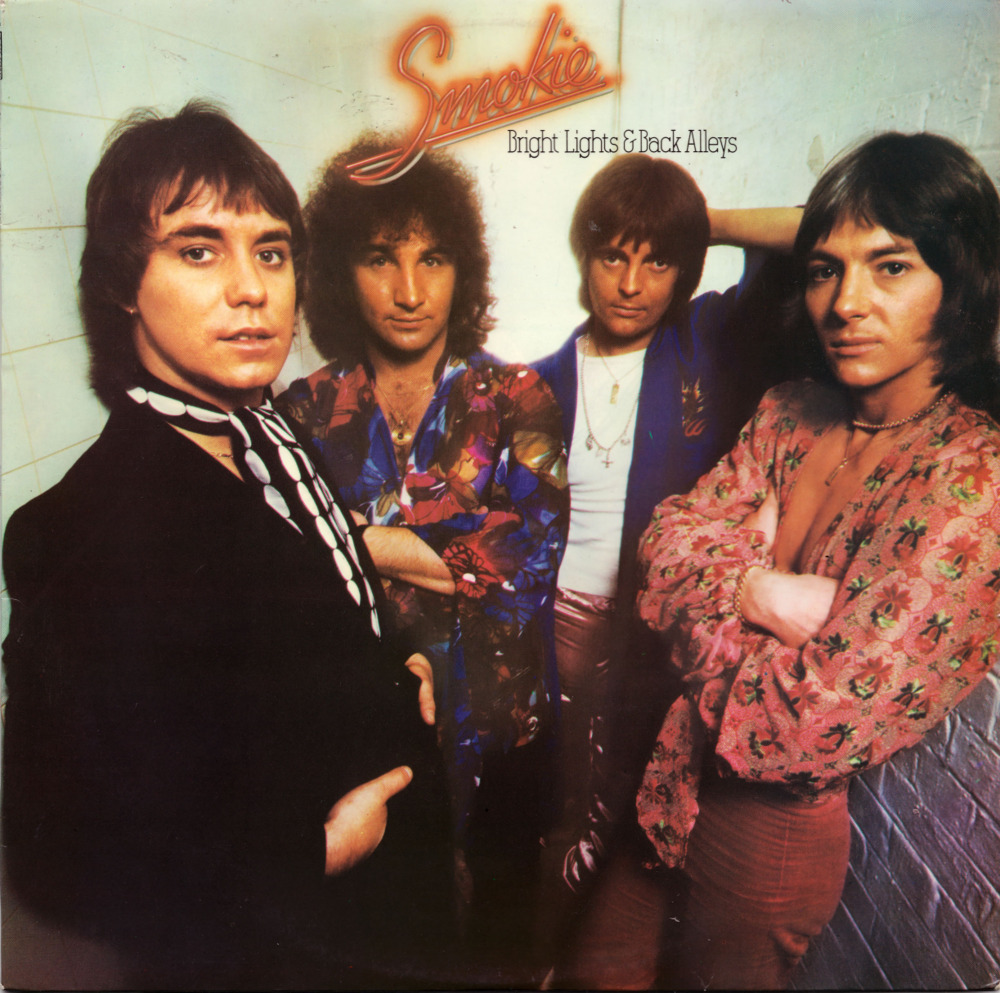
 View Artist