Song Meaning
The lyrics paint a picture of intense frustration and a desperate need for escape. The repeated phrase "got to get away" acts as a mantra, underscoring a feeling of being trapped. The imagery of a "rubber stamp" on the "jumbo" and "brain" suggests a sense of being processed, controlled, or perhaps overwhelmed by repetitive, meaningless tasks or thoughts. This feeling is amplified by the contrasting lines about having "no grease on my finger" and "no dirt on my glove," which imply a sterile, unengaged, or perhaps even guilt-free state that paradoxically doesn't alleviate the desire to flee. It's a peculiar kind of clean desperation.
The central tension arises from the declaration "No more letters." This phrase, repeated insistently, points to a communication breakdown or the cessation of a particular form of connection or obligation. The "long time you say" preceding it hints that this decision has been a long time coming, a breaking point reached after prolonged endurance. The narrator is actively shutting down a channel of communication, severing ties that have become burdensome or painful, and the sheer repetition emphasizes the finality and urgency of this decision.
The introduction of the "long legged man in the corner" and the "dirty dog on the night flight" adds layers of unsettling observation. These figures seem to represent external pressures or irritants, perhaps embodying the very things the narrator needs to escape. The "dirty dog" is particularly evocative, described as not caring if you're "wrong or right" and staring all night, suggesting a judgmental or predatory presence that fuels the narrator's urge to flee. The "night flight" implies a journey away, a literal or metaphorical departure from this oppressive environment.
Ultimately, the effectiveness of these lyrics lies in their raw, almost primal expression of wanting out. The repetition creates a hypnotic, urgent rhythm that mirrors the narrator's agitated state. The juxtaposition of sterile cleanliness with the overwhelming need to escape, alongside the unsettling figures observed, crafts a potent sense of unease and a powerful, almost visceral, desire for liberation from an unspecified but deeply felt confinement.
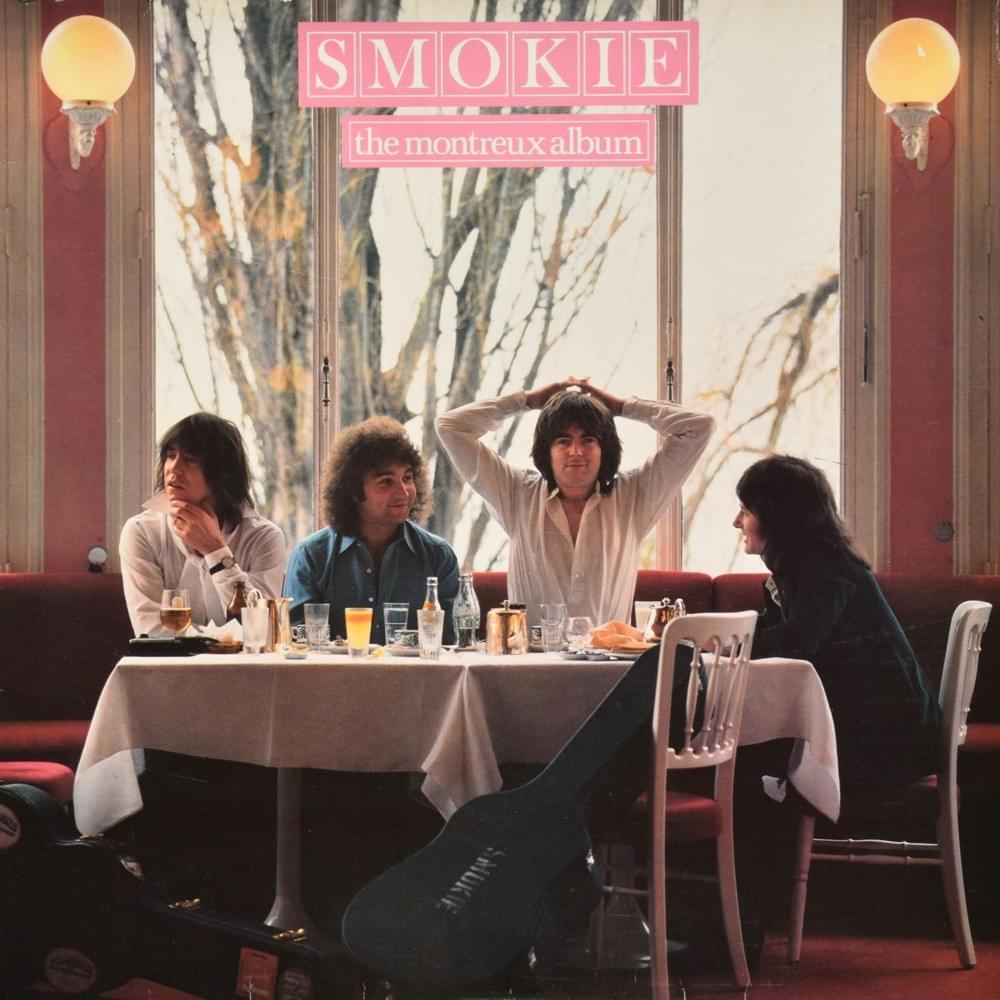
 View Artist