Song Meaning
The lyrics paint a stark picture of a city engulfed in flames, a literal inferno that mirrors a profound sense of despair and helplessness. The repeated refrain, "And I don't want to know any more," acts as a desperate shield against overwhelming destruction. It's a visceral reaction to witnessing the collapse of familiar structures – "churches and houses" – reduced to ash. This isn't just about physical ruin; it's about a breakdown of order and safety, leaving the narrator paralyzed and unwilling to confront the full horror.
The central tension lies between the undeniable reality of the burning city and the narrator's desperate desire for ignorance. The phrase "Spread it around" takes on a chilling double meaning, suggesting both the physical spread of the fire and perhaps the dissemination of the terrible news, which the narrator actively resists. The plea "may the plague disappear" hints at a deeper, perhaps metaphorical, sickness afflicting the city, compounding the sense of crisis beyond just the visible flames. It's a cry for salvation from an all-consuming disaster.
The introduction of "Simon" offers a glimpse into a specific instance of this despair. Described as "beyond despair" and "lost in the flickering light," he embodies the apathy that can set in when life's struggles become too much. His lack of care, "But he doesn't really care," is a tragic consequence of the overwhelming circumstances, where even the destructive light of the fire offers no solace, only a reflection of lost vitality. This character serves as a potent symbol of the human spirit succumbing to the inferno.
Ultimately, the effectiveness of these lyrics stems from their raw, unvarnished depiction of catastrophe and the human impulse to shut down in its face. The relentless repetition of "London is burning" hammers home the inescapable reality, while the narrator's "I don't want to know" provides a counterpoint of emotional self-preservation. It's this stark contrast between external devastation and internal withdrawal that makes the song's bleak atmosphere so potent, capturing a moment where facing the truth feels like an unbearable burden.
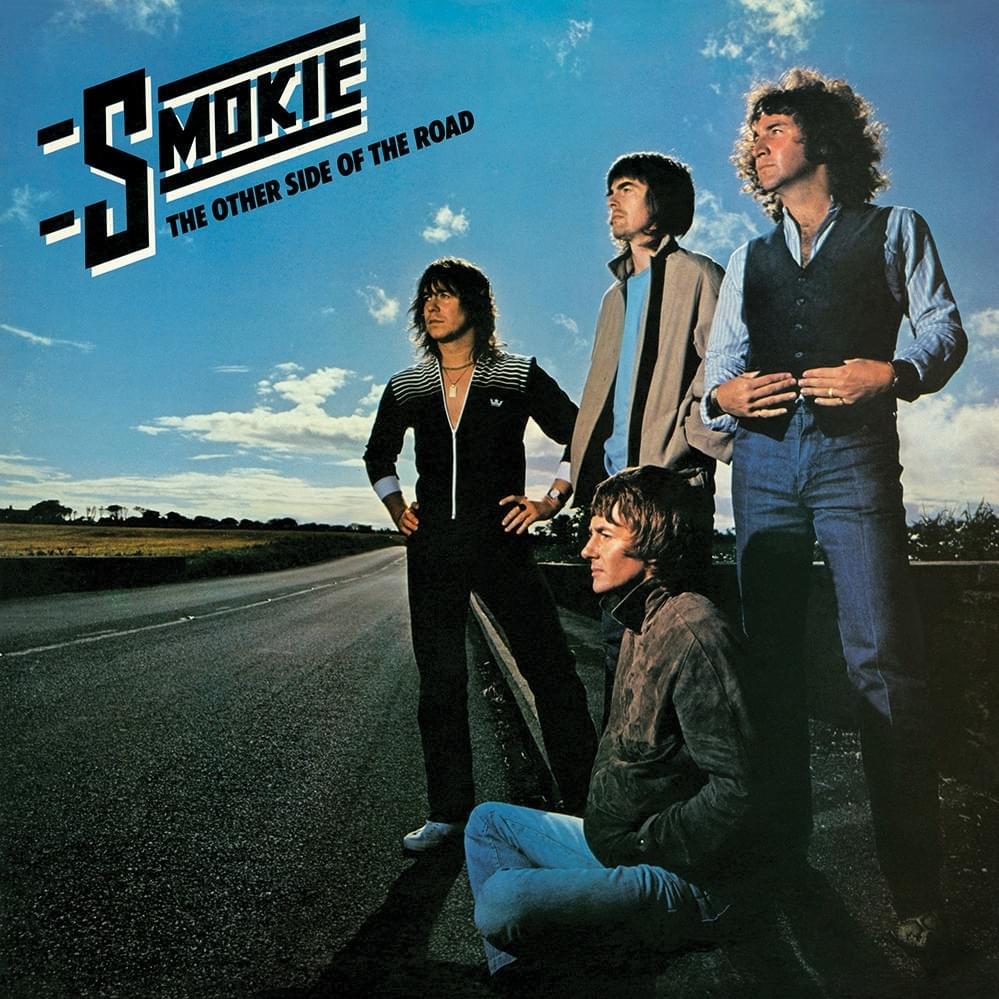
 View Artist