Song Meaning
The narrator grapples with a sense of inevitable failure, a feeling so familiar it's bred a strange jadedness. There's a self-awareness of excess, a preference for overwhelming experiences even as they lead to this predictable outcome. This sets a tone of weary resignation, a stark contrast to any youthful optimism.
The core tension seems to revolve around external expectations versus internal reality. The lyrics suggest a pressure to conform or maintain a certain facade, described as being "tailored for the one you wore before." This implies a role or identity that isn't authentic, a performance expected by others, even if it's a painful or ill-fitting one. The repeated line "Stitch it up, it's not like you've been torn" highlights this forced composure.
The craft here lies in the stark, almost clinical imagery of tailoring and stitching. It’s a metaphor for superficial repair, for presenting a whole exterior when internally there's a recognized breakdown. The phrase "too much, too fast" paired with "prefer the excess" creates a fascinating internal conflict, suggesting a destructive impulse that the narrator both recognizes and leans into. The question "Well what else do they expect?" underscores a feeling of being trapped by past behaviors or perceived destinies.
This writing hits hard because it captures that specific, soul-crushing feeling of knowing you're on a path to disappointment, yet feeling powerless or even drawn to it. The meticulous, almost surgical language of the chorus contrasts sharply with the raw emotional admission of the verses, creating a compelling portrait of someone trying to hold it together while acknowledging the seams are about to burst.
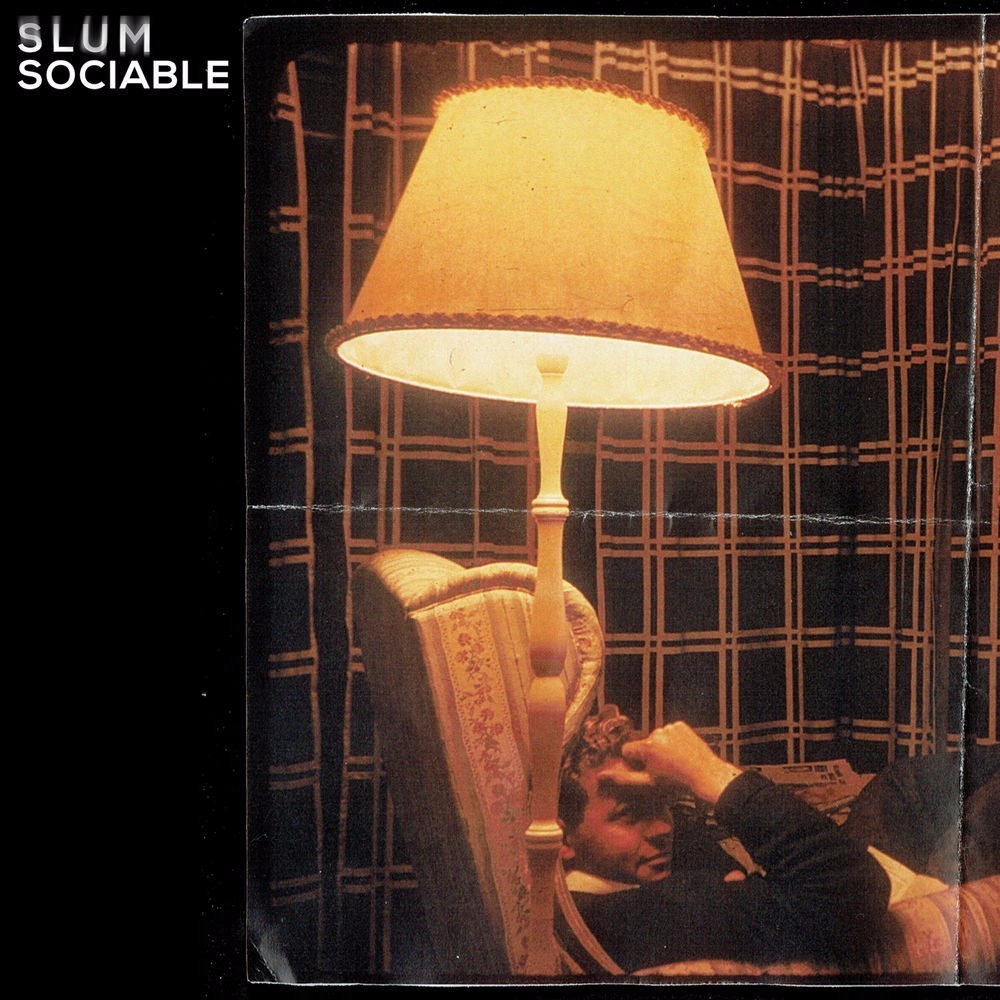
 View Artist