Song Meaning
The narrator grapples with a suffocating internal state, a self-imposed confinement that paradoxically opens the mind while shutting out external influence. The repeated phrase "closed doors" suggests a deliberate withdrawal, a choice to disconnect from others, even as the mind becomes more receptive to internal thoughts and feelings. This creates an immediate tension between isolation and introspection, a desire for solitude that feels both protective and imprisoning.
The core conflict seems to stem from an overwhelming influx of unwanted thoughts or memories, personified by the insistent "you" the narrator wishes to ignore. The repeated declarations of "I don't want to see you," "know you," and "hear you" underscore a desperate attempt to maintain control over their mental space. This internal battle is amplified by the stark declaration "In asylum," painting a vivid picture of a mind under siege, trapped within its own walls.
The lyrics masterfully employ repetition to convey this sense of being overwhelmed. The insistent chorus, "In asylum, Don't you see?" acts as a desperate plea or a bewildered observation of their own condition. The second verse introduces a subtle shift with "feel his pictures," hinting at intrusive thoughts or memories that are not entirely their own, further blurring the lines of their internal landscape. The contrast between the desire for isolation and the overwhelming internal experience creates a powerful emotional resonance.
Ultimately, the effectiveness of these lyrics lies in their raw portrayal of mental anguish and the struggle for self-preservation. The narrator's repeated rejections of an external presence, coupled with the feeling of having "fallen," suggest a profound sense of disorientation and loss. The writing captures the disquieting feeling of being trapped within one's own mind, where even the act of closing doors leads to an inescapable internal world.
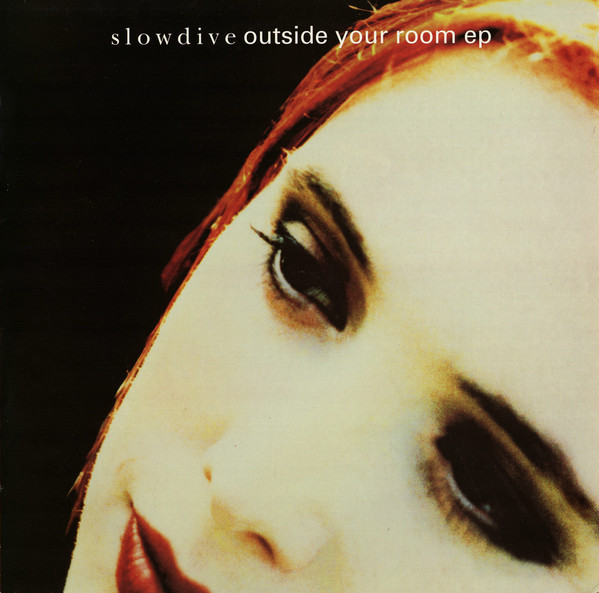
 View Artist