Song Meaning
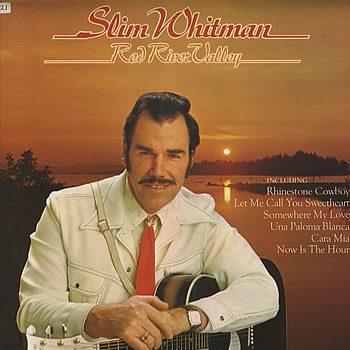
Slim Whitman's rendition of "Una Paloma Blanca" isn't just a simple, soaring melody; it's a concentrated shot of existential longing disguised as a folk song. The "white dove" metaphor, a well-worn trope for peace and freedom, takes on a sharper edge when considered alongside the lyrics' darker undertones. It's not just about freedom *found*, but freedom *yearned for* after a period of intense confinement. Whitman's gentle tenor belies a past trauma. The lyrics hint at a history of oppression: "Once I had my share of losing / For they locked me on a chain / Yes they tried to break my power / Oh I still can feel the pain." This isn't just about escaping; it's about surviving. The persona isn't simply a bird in the sky; it's a survivor, a refugee from a personal war.
The recurring imagery of sunlight, mountains, and "God's voice" suggests a spiritual awakening, a rebirth made possible through the act of claiming freedom. The natural world isn't merely a backdrop, but a source of healing and renewal. "I can feel the morning sunlight / I can smell the new-mown hay" is a sensory affirmation of life after trauma, a grounding in the present moment that allows the singer to transcend the past. The repetition of "Una paloma blanca / Over the mountains I fly / No one can take my freedom away" functions as a mantra, a defiant declaration of self-sovereignty.
Ultimately, "Una Paloma Blanca" is a deceptively simple song about the enduring power of the human spirit. It speaks to the universal desire for liberation, not just from physical constraints, but from the internal prisons of trauma and self-doubt. The gentle melody and Whitman's soothing voice provide a comforting counterpoint to the underlying message of resilience, suggesting that even after experiencing profound loss and suffering, the possibility of flight, of freedom, remains within reach.
 View Artist