Song Meaning
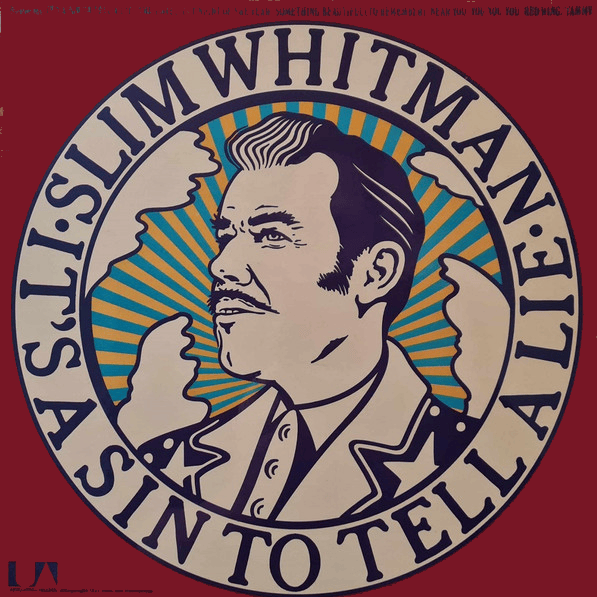
Slim Whitman's rendition of "It's a Sin to Tell a Lie" isn't just a quaint, old-fashioned tune; it's a stark warning delivered with the weight of generations who've felt the sting of betrayal. Whitman, known for his soaring vocals and sentimental style, imbues the simple lyrics with an almost biblical gravity. The song meaning hinges on a deceptively straightforward premise: the profound damage inflicted by insincere declarations of love. It's not merely about fibbing; it's about the sacrilege of profaning the most vulnerable of human connections. The repetition of "It's a sin to tell a lie" acts as a constant moral refrain, hammering home the ethical implications of playing with another's heart. Whitman isn't just singing; he's preaching a sermon on emotional responsibility. The spare instrumentation and Whitman's earnest delivery only amplify the song's core message: love is sacred ground, and to tread upon it with falsehood is a transgression of the highest order.
Beneath the surface of the seemingly simple lyrics lies a complex understanding of human psychology. The song acknowledges the inherent risk in uttering the words "I love you." To speak those words is to offer a piece of oneself, to become vulnerable to the potential for devastating pain. The line "If you break my heart, I'll die" isn't literal, of course, but it speaks to the profound sense of loss and disillusionment that can accompany heartbreak. Whitman's performance, steeped in a kind of stoic vulnerability, suggests an awareness of the fragility of the human heart and the destructive power of dishonesty. He understands that the act of lying in love isn't just a personal failing; it's a violation of a fundamental human trust. The song becomes a cautionary tale, urging listeners to consider the weight of their words before uttering them.
Ultimately, "It's a Sin to Tell a Lie" resonates because it taps into a universal fear: the fear of being deceived by someone we love. It's a timeless message delivered with a disarming simplicity that cuts through the noise of modern life. Slim Whitman's interpretation, while rooted in a specific musical era, transcends its origins to speak to the enduring human need for honesty and authenticity in matters of the heart. The song's continued relevance lies in its unwavering commitment to the idea that love, at its core, is built on a foundation of truth, and that any deviation from that truth carries a heavy price. The song analysis reveals it's a reminder that the act of loving is not a game, but a sacred exchange that demands respect and integrity.
 View Artist