Song Meaning
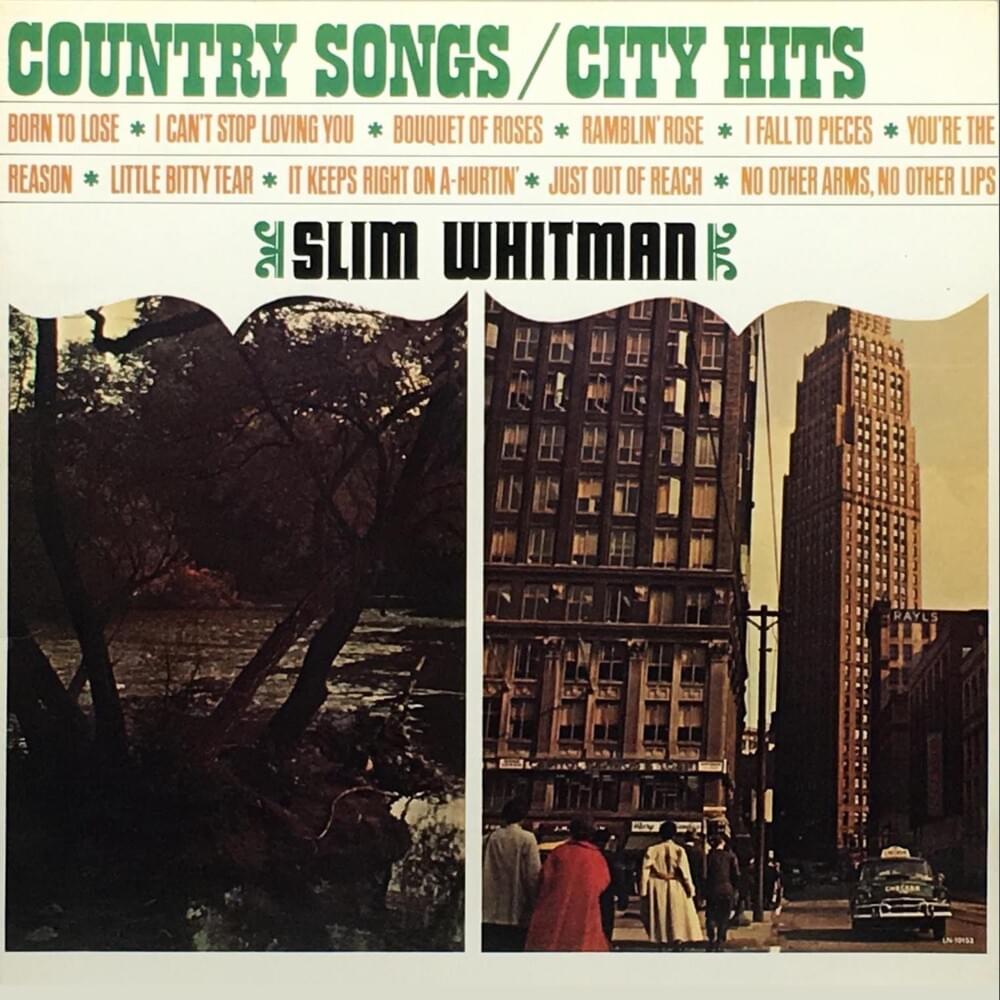
Slim Whitman's "Born to Lose" isn't just a country lament; it's a masterclass in self-fulfilling prophecy, a sonic embodiment of learned helplessness set to a mournful melody. The lyrics, stark in their simplicity, paint a portrait of a man utterly convinced of his own doomed fate. It's the kind of fatalism that clings to you like cigarette smoke in a dimly lit bar – inescapable and deeply ingrained. The repeated assertion of being "born to lose" transcends mere heartbreak; it's a declaration of a life lived under the shadow of preordained failure. He's not reacting to circumstance; he's anticipating it, almost welcoming it. This isn't just about *losing* a lover; it's about the inherent *expectation* of loss coloring every aspect of his existence. The sense of inevitability permeates every line. There's almost no fight left, just a weary acceptance of a destiny he feels powerless to change. It's a bleak, almost nihilistic perspective, but one that resonates with anyone who's ever felt trapped by their own negative beliefs.
The psychological weight of "Born to Lose" lies in its exploration of how deeply ingrained beliefs can shape reality. The singer's conviction that he's destined for failure actively sabotages his chances of happiness. Every setback, every disappointment simply reinforces his pre-existing worldview, creating a vicious cycle of negativity. The line, "Every dream has only caused me pain," speaks volumes. He's not just unlucky in love; he's conditioned to associate hope with pain, effectively shutting himself off from future possibilities. This isn't just a passive observation of life's hardships; it's an active participation in his own misery. The song's power resides in its unflinching depiction of this self-destructive pattern.
Ultimately, "Born to Lose" is a haunting exploration of the power of negative self-perception. It's a cautionary tale about the dangers of defining oneself by past failures and the importance of challenging limiting beliefs. While the song offers no easy answers or triumphant resolutions, it serves as a stark reminder that our internal narratives can be just as binding as any external force. Whitman's plaintive vocals only amplify the song meaning, transforming a simple country tune into a profound meditation on the human condition and the potential for self-imposed suffering.
 View Artist