Song Meaning
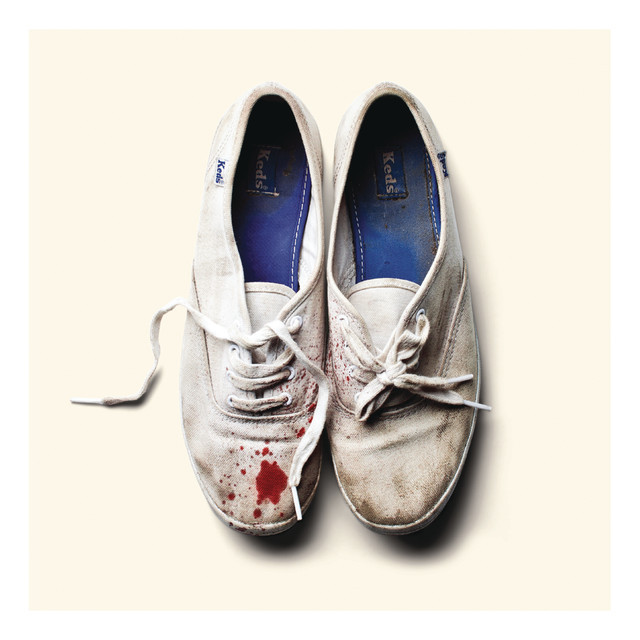
The lyrics paint a stark, disorienting picture of someone dealing with a physical injury and a profound sense of disconnect. The opening lines, "Wipe the blood from your nose," immediately establish a scene of violence or trauma, yet this is juxtaposed with a baffling question: "How come nobody knows / How the chorus should go?" This suggests a struggle not just with physical pain, but with a loss of direction or a shared understanding, as if the very structure of expression has broken down.
The central tension arises from the contrast between outward signs of distress and an internal state of supposed normalcy or resignation. The narrator asks, "Do you know how it feels / When the rain hits the roof / But the roof of your mouth / Is not wet anymore?" This striking image implies a loss of sensation or a disconnect from one's own body, a feeling of being present but not truly experiencing. The subsequent lines, "Put the one by the two / Cut the rest into lines / But there's blood on the door / And you're feeling just fine," amplify this dissonance, presenting a controlled, almost clinical approach to something that should be chaotic, while a clear indicator of harm remains visible.
The most compelling aspect of the writing is its use of repetition and unsettling imagery to convey a sense of fractured consciousness. The repeated question about the "chorus" feels like a desperate plea for coherence in a situation where meaning itself is elusive. The act of "licking the blood" is visceral and intimate, yet it’s immediately followed by the same question about the lost chorus, blurring the lines between physical reality and a deeper, unarticulated crisis. The command to "Remember who you are" serves as a final, poignant anchor, hinting at a self that is being forgotten or obscured by the present circumstances.
Ultimately, these lyrics resonate because they capture the disquieting feeling of being physically present but mentally adrift, unable to articulate or even fully grasp one's own state of being. The writing doesn't offer easy answers; instead, it immerses the listener in a moment of profound confusion and physical trauma, leaving the lingering question of what has been lost and why no one seems to notice.
 View Artist