Song Meaning
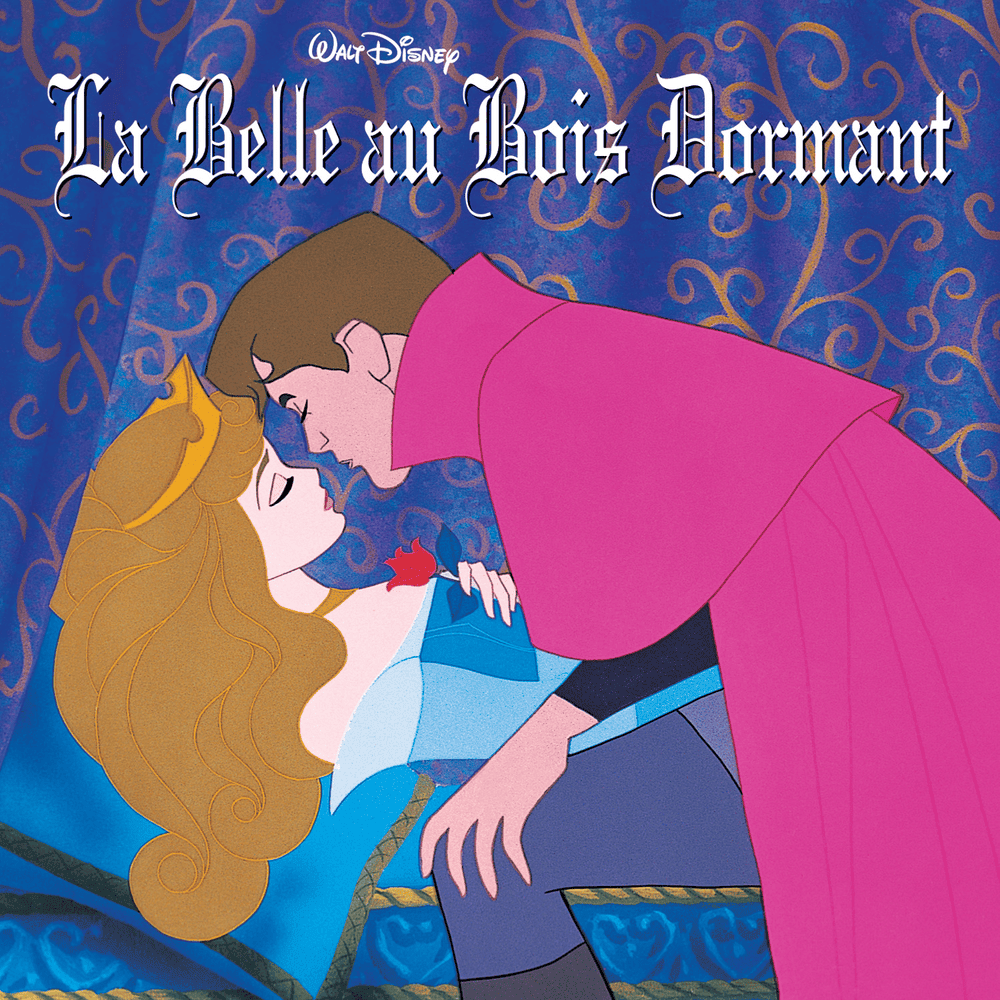
The lyrics paint a picture of two lovers, Aurore and the Prince, finding solace and hope in a shared dream. Aurore initiates, describing seeing her love in a dream, interpreting it as a beautiful omen. She expresses a desire to actively reject a bleak future, choosing instead to wait for their happiness together, declaring him her destiny and vowing to love him. The repeated phrase "J'en ai rêvé" (I dreamed it) anchors this hopeful anticipation.
The central tension lies in the contrast between a potentially mundane or sorrowful reality ("lendemains soient mornes et gris" - tomorrows be dull and gray) and the vibrant promise of their dreamed connection. This dream isn't just a passive vision; it's presented as a catalyst for their shared resolve to actively shape their future, waiting for the "heure de notre bonheur" (hour of our happiness).
The most striking aspect is the mirroring of experiences and the eventual duet. Aurore sees him in a dream, and he reciprocates, seeing her in his own dream. This shared vision elevates their connection beyond a simple romance, suggesting a fated, almost telepathic bond. The Prince's confirmation, "Tu l'as rêvé" (You dreamed it), solidifies this mutual experience, turning a personal vision into a shared reality they both commit to.
This lyrical exchange is effective because it grounds an abstract concept like destiny in concrete, relatable experiences of dreams and shared longing. The repetition of key phrases like "Mon amour" and "heure de notre bonheur" creates a sense of intimacy and unwavering commitment. The gentle, almost lullaby-like "La, la" interludes provide a moment of quiet reflection, underscoring the tender, hopeful atmosphere of their shared anticipation.
 View Artist