Song Meaning
The lyrics paint a picture of someone clinging to a carefully constructed persona, a "pokerface," as a defense mechanism against the passage of time and the erosion of self. The opening lines, "Ten years in a jar, like to wait," suggest a deliberate preservation of a past state, an unwillingness to confront change. This guardedness is reinforced by the repeated assertion, "I know who I am, pokerface," implying that this outward appearance is the only identity the speaker feels capable of maintaining, devoid of any "trace of a man."
The central tension arises from a profound sense of disorientation and detachment. The narrator admits to being "lost touch / With the price of a kiss" and questions their ability to navigate their current circumstances, describing the steering of their "motor car" or the path ahead as "difficult to steer" and "difficult to see." This feeling of being adrift is amplified by the observation that "all of us are changed," a recurring refrain that underscores a collective, yet isolating, transformation. The narrator seems to be grappling with a loss of agency and a fading sense of self in the face of this pervasive alteration.
The most striking element is the stark contrast between the internal struggle and the external performance. The "pokerface" is not just an expression of emotional control but a deliberate act of concealment, a way to avoid acknowledging the "ten years and all gone, thrown away." The narrator is "too frightened to stop, concentrate," suggesting a frantic effort to maintain the facade. This internal paralysis, coupled with the external perception of being "all changed," creates a poignant portrait of someone trapped by their own defenses, unable to connect authentically or even to perceive their own reality clearly, as they are "getting all my drinks for free" on "limited charm."
Ultimately, the effectiveness of these lyrics lies in their subtle portrayal of existential unease. The repetition of "all of us are changed" acts as a haunting echo, suggesting that the narrator's struggle is not unique but part of a broader, perhaps inescapable, human condition. The sparse, almost detached language, combined with the recurring imagery of being lost or unable to steer, creates a powerful sense of quiet desperation. The "pokerface" becomes a symbol not of strength, but of a profound vulnerability masked by an unyielding, yet ultimately hollow, exterior.
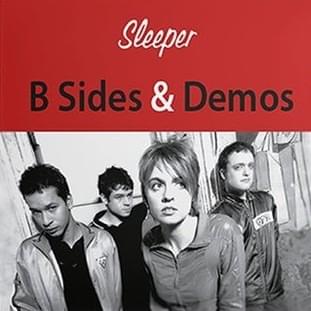
 View Artist