Song Meaning
The narrator feels trapped, describing their situation as a "prison of my own construction" where the "walls wouldn't run around." This self-imposed confinement is contrasted with an external observer who finds the narrator's struggle "amusing." The lyrics suggest a deep sense of helplessness and frustration, amplified by the perception that their pain is a source of entertainment for someone else.
The core tension lies in the narrator's desperate attempt to escape their mental or emotional prison while simultaneously being aware that their suffering is being watched and enjoyed. The phrase "You think it's amusing" is repeated, highlighting the painful irony of their situation. This observer's amusement seems to stem from the narrator's self-destructive behavior, like taking "so long to mess my face up," implying a prolonged period of internal turmoil.
The writing powerfully conveys the narrator's internal state through stark imagery and a direct address. The idea of a "prison of my own construction" immediately establishes a sense of agency, albeit a negative one, while the inability to "touch" the "walls" emphasizes the intangible yet inescapable nature of their suffering. The narrator's "crazed" state, unable to "wriggle out enough," paints a picture of desperate, futile struggle.
This lyrical construction is effective because it grounds abstract emotional pain in concrete, albeit metaphorical, imagery. The repeated accusation of amusement creates a sharp, almost unbearable contrast between the narrator's internal agony and the external indifference or even pleasure derived from it. The final lines, "I think I've finally found a place where I can sleep," offer a somber resolution, suggesting that perhaps surrender or exhaustion has brought a temporary, bleak peace from the torment.
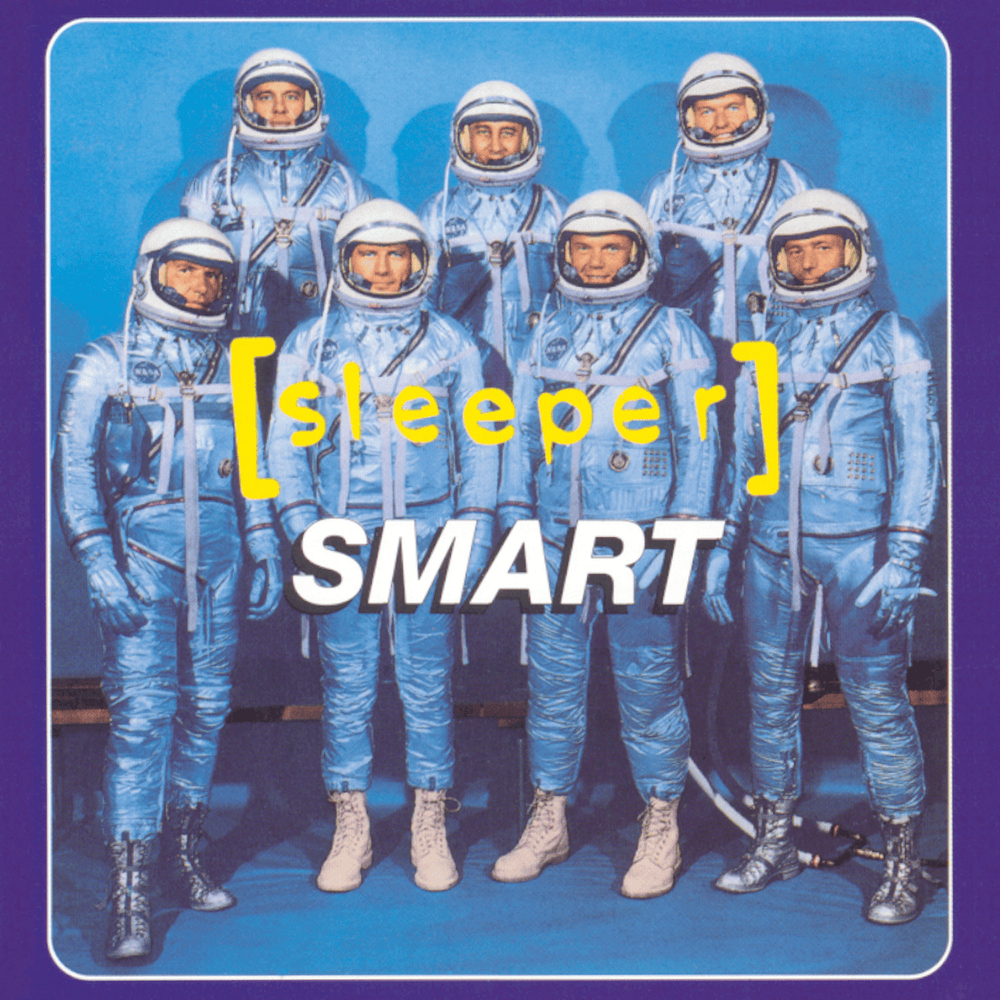
 View Artist