Song Meaning
The lyrics paint a chilling portrait of a manipulative figure who actively seeks to corrupt and control others, cloaking their destructive intentions in a perverse imitation of divine authority. The narrator extends a twisted invitation, not to solace, but to their own internal darkness: "to my hate, to my scorn, to myself." This initial welcome is a stark foreshadowing of the violation to come, promising to "saturate you, infest you, betray you" with eagerness for their deceitful narratives. The core of this manipulation is revealed in the repeated refrain: "Lies in the name of God."
The central conflict lies in the narrator's predatory relationship with their victim, characterized by a brutal process of invasion and assimilation. They "take you, play you, invade you," systematically dismantling innocence with actions like "lacerate you, I scar your innocence." This aggressive consumption culminates in a disturbing act of becoming one with the victim: "masticate you, ingest you, become you." The narrator explicitly states their purpose is to fill a void, "I fill your emptiness," but it's with their own destructive essence, not genuine connection.
The most striking aspect of the craft is the inversion of sacred concepts and the relentless, almost ritualistic repetition. The bridge declares a rejection of conformity and a deliberate desecration of the mind, aiming to "disconnect the nerves from the spine" and "desecrate the walls of the mind." This culminates in the shocking assertion that "Antichrist is the name of God," a profound blasphemy that redefines the ultimate authority as the antithesis of all that is considered holy. The repeated phrase, "Through these lies, compassion is lost," directly links the narrator's deception to a spiritual void, the "Ungod."
This writing is effective because it weaponizes religious language to describe profound psychological and spiritual violation. The narrator's self-proclaimed role as a deceiver, operating under the guise of divine sanction, creates a potent sense of dread and betrayal. The stark imagery of consumption and destruction, coupled with the ultimate blasphemy of equating the Antichrist with God, leaves the listener with a visceral understanding of absolute corruption and the terrifying emptiness that follows the loss of compassion.
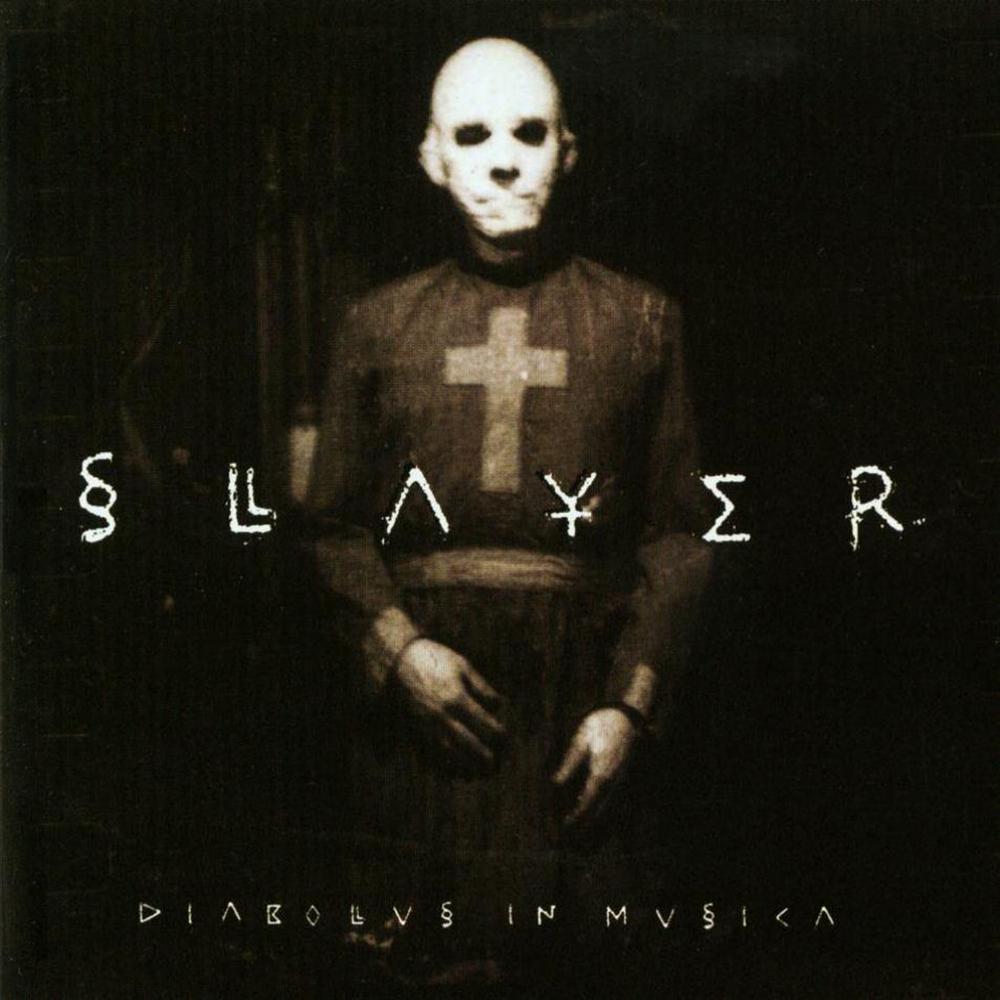
 View Artist