Song Meaning
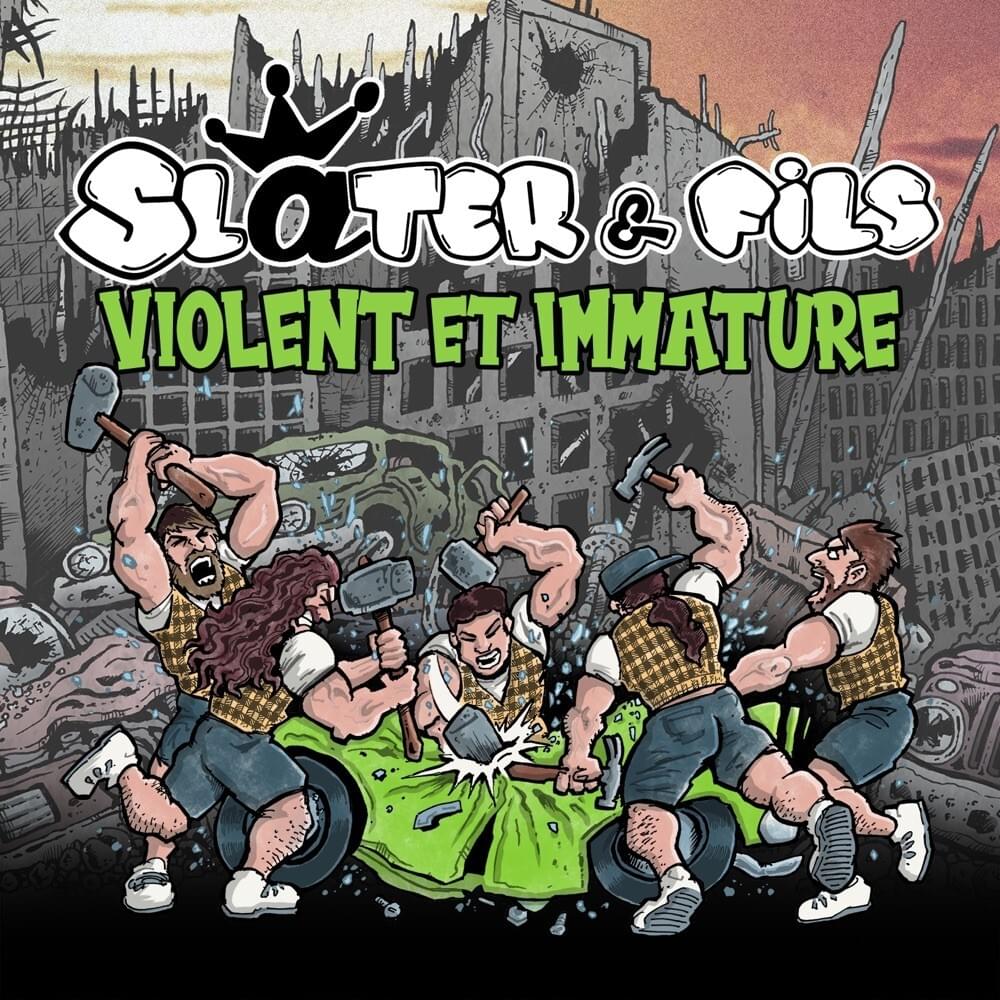
The lyrics paint a picture of escalating frustration and a sharp break from a past camaraderie. It opens with images of destruction – "tapis d'char, des coups d'marteau" – suggesting a chaotic, perhaps even childish, outburst. This initial scene is immediately contrasted with a rejection of a flawed "concept" and a missed "curve," hinting at a more complex, intellectual disappointment beneath the surface-level chaos. The narrator feels unheard, their ideas dismissed, leading to a sense of being fundamentally misunderstood.
The core tension arises from a profound betrayal. The narrator expresses reaching the limit of their patience, with "l'intolérance s'auto-nourrit." They feel their words and thoughts are deliberately ignored, fueling an internal "monstre." This internal rage is directed outward, with a vow to "faire honte" to those who have wronged them. The shift from a sense of brotherhood to one of corruption – "Vous étiez pour moi comme des frères / Mais vous êtes devenus des pourris" – is stark and deeply personal.
The most striking element is the narrator's embrace of destructive action as a response to this betrayal. Despite the possibility of leaving with "l'esprit tranquille," they choose a path of confrontation and noise: "J'aime mieux les shows de boucane, tirer du gun pis faire du bruit." This isn't just anger; it's a deliberate choice to create a spectacle of their discontent, a violent and immature assertion of their presence and pain. The contrast between the potential for quiet departure and the active pursuit of loud disruption is jarring.
This raw expression of disillusionment and vengeful energy is what makes the lyrics hit hard. The writing captures a specific moment where disappointment curdles into a desire for dramatic, even destructive, impact. It’s the visceral reaction to being dismissed and betrayed, choosing to make a loud, messy statement rather than fade away quietly.
 View Artist