Song Meaning
The lyrics paint a picture of love being relentlessly marketed and commodified, particularly through the pervasive medium of the radio. The repeated assertion that "They talk about love on the radio" immediately establishes a cynical tone. This isn't a genuine exploration of affection, but rather a commercial pitch, with phrases like "buy it," "try it," "tell it," and "sell it" highlighting the transactional nature of this broadcasted ideal. It suggests a manufactured, external force dictating what love is and how it should be acquired.
The core tension lies in the stark contrast between this advertised, easily obtainable "love" and its implied inauthenticity. The second verse becomes a laundry list of absurdities, equating love with purchasing material goods like "a diamond" or "a car," mundane activities like "wash the dishes," or even basic biological needs like "eat some breakfast." This relentless association trivializes the concept, reducing it to a reward for consumption or a byproduct of everyday existence, rather than a profound emotional connection. The sheer volume of these examples underscores the pervasive and almost nonsensical way love is presented as a universal commodity.
The most striking aspect of the craft is the sheer, almost hypnotic repetition, not just of the opening phrase but of the structure in the second verse: "You get love when..." or "You get love if..." This relentless pattern mimics the repetitive nature of advertising jingles and the constant bombardment of commercial messages. It creates a sense of overwhelming, inescapable noise, mirroring how the radio and broader culture seem to constantly push a diluted version of love. The lyrics don't offer a counter-narrative of genuine love; instead, they focus on exposing the hollowness of the one being sold.
Ultimately, these lyrics resonate because they tap into a widespread feeling of disillusionment with how modern society, particularly through media and commerce, often packages and sells emotions. The effectiveness comes from the blunt, almost deadpan delivery of absurd equivalencies, forcing the listener to confront the superficiality of what's being presented as desirable. It's a sharp critique delivered through sheer, unadorned observation, leaving the listener to question where authentic feeling fits into a world that tries so hard to sell it.
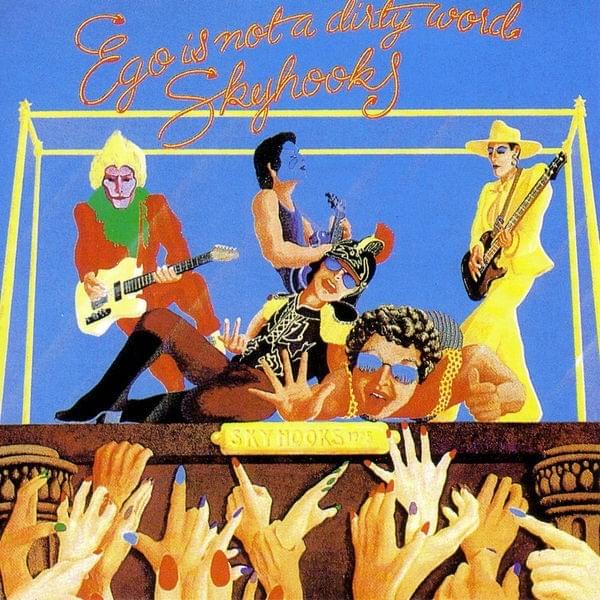
 View Artist