Song Meaning
Skye Sweetnam's "Smoke + Mirrors" isn't just a catchy pop-rock tune; it's a raw dissection of vulnerability in the face of external pressure. The song meaning hinges on the central metaphor of constructing facades to mask inner turmoil. Sweetnam's lyrics delve into the psychological burden of maintaining a strong exterior, particularly when feeling "young and naive." The driving rhythm and assertive vocals belie a deeper struggle, one where revealing true emotions is perceived as weakness. The phrase "bottled up is where my fears go" encapsulates the core tension—the conscious decision to suppress anxieties rather than confront them directly. This resonates with the listener as a familiar defense mechanism in a world that often rewards stoicism over authenticity.
The chorus reinforces this theme of self-preservation through deception. The line, "They'll tear me up until my tears show," highlights the perceived threat of exposure. It's not just about feeling vulnerable; it's about the fear of being exploited or diminished by others if that vulnerability is revealed. The "smoke and mirrors" become both a shield and a prison, a carefully constructed illusion designed to protect the self from perceived harm. This speaks to the broader societal pressure, especially on young women, to project an image of unwavering strength, even when crumbling inside. The repeated line, "On my own, on my own way", further emphasizes the feeling of isolation that can accompany this constant performance.
The bridge broadens the scope, suggesting that this act of self-concealment is not an individual burden but a shared human experience: "This journey of ours never ends / We will always pretend." The lyrics imply a collective agreement to maintain the illusion, a social contract where vulnerability is discouraged. Yet, there's a subtle undercurrent of defiance here. By acknowledging the pretense, Sweetnam subtly invites listeners to question its necessity. The concluding repetition of "smoke and mirrors" serves as a stark reminder of the pervasive nature of this emotional camouflage, leaving the listener to contemplate the cost of such constant self-editing and the potential for genuine connection beyond the artifice.
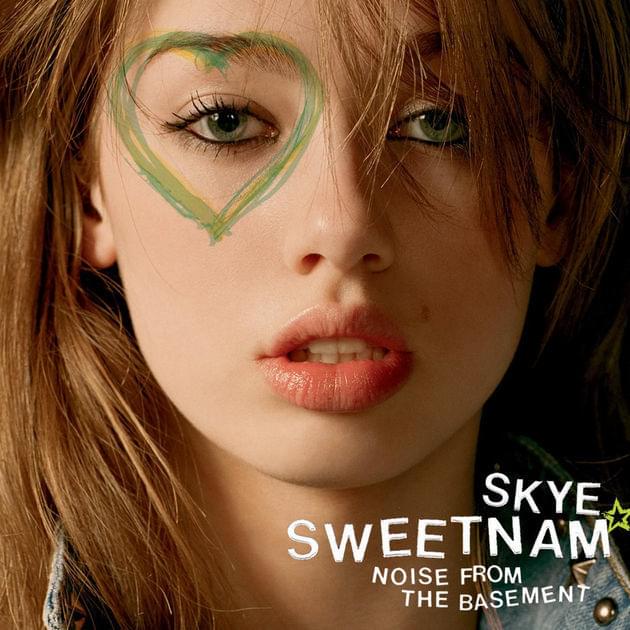
 View Artist