Song Meaning
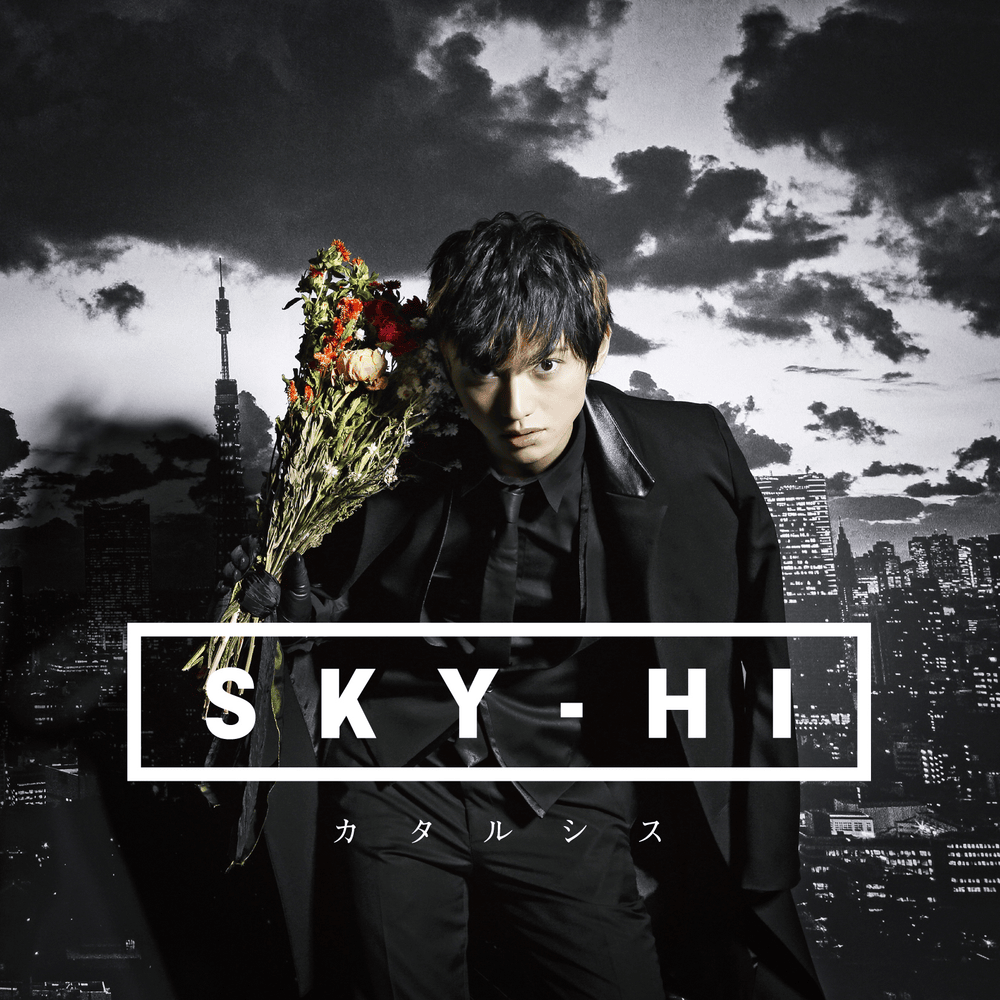
The lyrics paint a picture of existential weariness within a hyper-modern, artificial cityscape. The opening image of the sun with a "terrified face" immediately sets a tone of unease, suggesting a world where even natural elements are corrupted or distressed. The narrator questions the passage of time, counting "today" and wondering how many are left, while passively waiting to be "picked up anyway." This Tokyo is a "wonderland" where superficialities like love can be bought, and the environment is characterized by "little lies and pride" and "mass produced girls" chasing superficial success. It’s a scene of manufactured reality and hollow ambition.
The central tension arises from a profound identity crisis and a desperate search for meaning in a world that feels suffocatingly inauthentic. The narrator admits, "I myself don't even know who I am," a feeling amplified by the act of searching in a mirror that offers no answers. This internal void is contrasted with an external pressure to conform or perform, as seen in the "coloured lenses" metaphor that obscures true identity. The desire to find "the answer inside your eyes" and the plea, "Hey, let's talk," highlight a yearning for genuine connection and self-understanding amidst the superficiality.
The most striking craft element is the juxtaposition of grand, almost apocalyptic imagery with mundane, everyday details. The "terrified face" of the sun and the potential for a hero to "tear buildings down" are powerful, almost violent images. Yet, these are placed alongside the "weather forecast" predicting rain and the simple act of "killing time." This contrast underscores the narrator's internal turmoil, where immense, abstract anxieties about existence and identity are experienced within the framework of a predictable, almost banal daily routine. The hook, questioning if closing one's eyelids would also stop seeing pain, further emphasizes this desire for escape from an unbearable reality.
Ultimately, these lyrics resonate because they articulate a feeling of being lost and overwhelmed in a world that demands performance and conformity. The writing effectively uses stark imagery and direct confessions of confusion to capture a sense of alienation. The plea for genuine connection and the questioning of what love even means in a "loveless age" tap into a deep-seated human need for authenticity. The final, simple mention of "Freesia" and "That answer" offers a flicker of hope, suggesting that perhaps the resolution lies in something natural and pure, or in the very act of seeking.
 View Artist