Song Meaning
The lyrics paint a picture of disillusionment, where a perceived authority figure or system offers reassurances that feel hollow against a backdrop of manipulation and conflict. The narrator observes "puppeteers" broadcasting "evil news," yet is told "we are alright." This stark contrast between the presented reality and the official narrative creates an immediate sense of unease and distrust. The repeated phrase "they say we are alright" becomes a refrain of dismissal, highlighting the disconnect between the speaker's experience and the pronouncements of those in power.
The central tension arises from the feeling of being a pawn in a larger, destructive game. The narrator experiences a lack of personal agency, stating "I get no rush without a view" and later "I get no justice for our views." This suggests a passive existence, observing chaos and feeling unheard. The introduction of "kamikaze fools" and the declaration "We are the flames / You were the fire" positions the speaker and their group as both destructive and consumed by a force they don't fully control, perhaps a consequence of others' actions or desires.
The most striking craft element is the powerful metaphor of "flames" and "fire." The narrator declares "We are the flames / You were the fire," suggesting a relationship where one entity (the "fire") ignites and consumes another (the "flames"). This dynamic implies that the "flames" are a byproduct or consequence of the "fire's" intensity, perhaps representing people who are driven to destructive acts or passionate intensity because of an external catalyst. The line "See, I'm your pretty face / Brings death to this dogfight" further complicates this, suggesting the narrator's own perceived attractiveness or role might be a weapon that escalates the conflict, making them complicit in the destruction they observe.
Ultimately, these lyrics resonate because they articulate a feeling of being trapped in a cycle of manufactured consent and destructive consequences. The repeated assurances of being "alright" ring false against the imagery of "evil news" and "dogfights," creating a potent sense of alienation. The "flames" are presented as the inevitable, perhaps tragic, outcome of being consumed by a larger, more volatile "fire," making the listener question the true cost of unchecked desires and manipulative narratives.
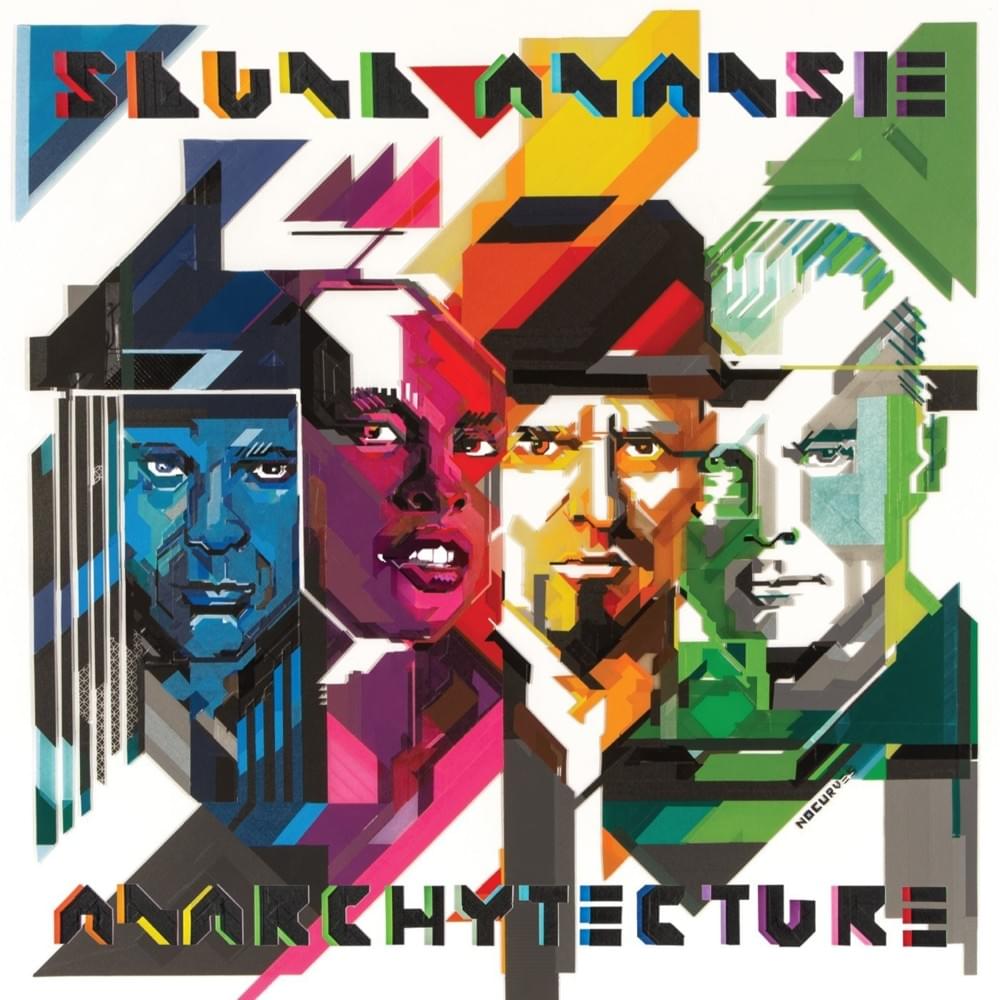
 View Artist