Song Meaning
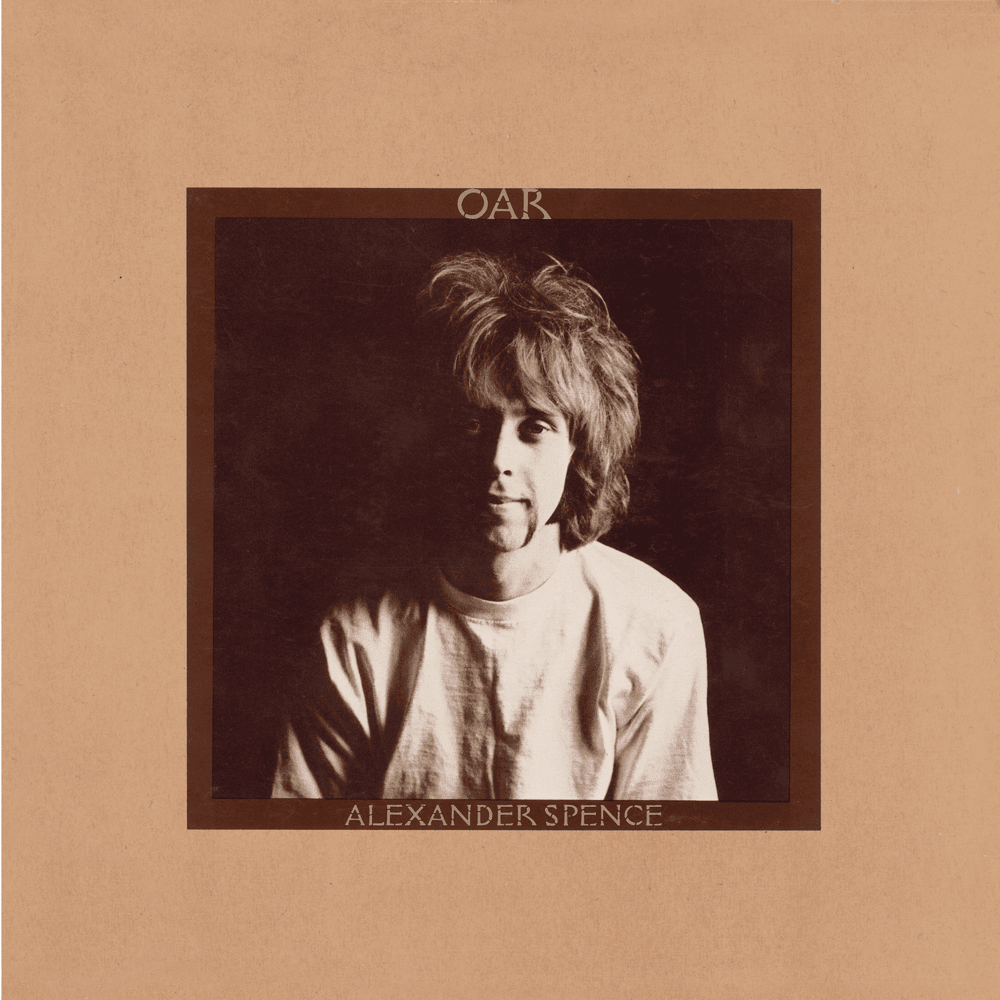
Skip Spence's "Lawrence of Euphoria" is a deceptively simple tune that hints at a far more complex psychological landscape. The repetition of "I'm Lawrence from Euphoria" functions as a mantra, a self-declaration of identity rooted in pleasure and perhaps delusion. Lawrence isn't just offering a good time; he's selling an escape, promising to "share your tent, pay your rent" – a total surrender to hedonistic comfort. The value, he insists, is undeniable. But is this euphoria genuine, or a gilded cage? The lyrics offer no clear answer, leaving the listener to question the true cost of this promised bliss. It is worth noting that Skip Spence struggled with mental health issues throughout his life, which adds a layer of interpretation to the song.
The introduction of Vivian from Oblivion adds another layer of darkness. She "does it for free," suggesting a transactional relationship devoid of emotional connection. Juxtaposed with Lawrence's offer to pay for happiness, Vivian represents a starker, more nihilistic path to oblivion. The casual mention of her generosity for "my friends and me" hints at a cult-like dynamic, where Lawrence acts as a ringleader presiding over a group seeking solace in empty pleasures. This raises questions about exploitation and the potential for harm lurking beneath the surface of euphoria.
Finally, the mention of Ellie Mae, Vivian's twin from California, further complicates the narrative. While she "does it all right," her "lips are tight," suggesting a repressed or unwilling participant. The fact that she "tucks me in to bed at night" implies a childlike dependence on this manufactured comfort, reinforcing the idea that Lawrence's Euphoria is ultimately a form of infantilization. Is Lawrence a benevolent provider or a manipulative figure exploiting vulnerabilities? The song's brilliance lies in its refusal to provide easy answers, instead leaving the listener to grapple with the unsettling ambiguity of this manufactured paradise. Ultimately, "Lawrence of Euphoria" can be interpreted as a cautionary tale about the dangers of seeking happiness through artificial means, and the potential for exploitation and emptiness that can lie beneath the surface of even the most enticing promises.
 View Artist