Song Meaning
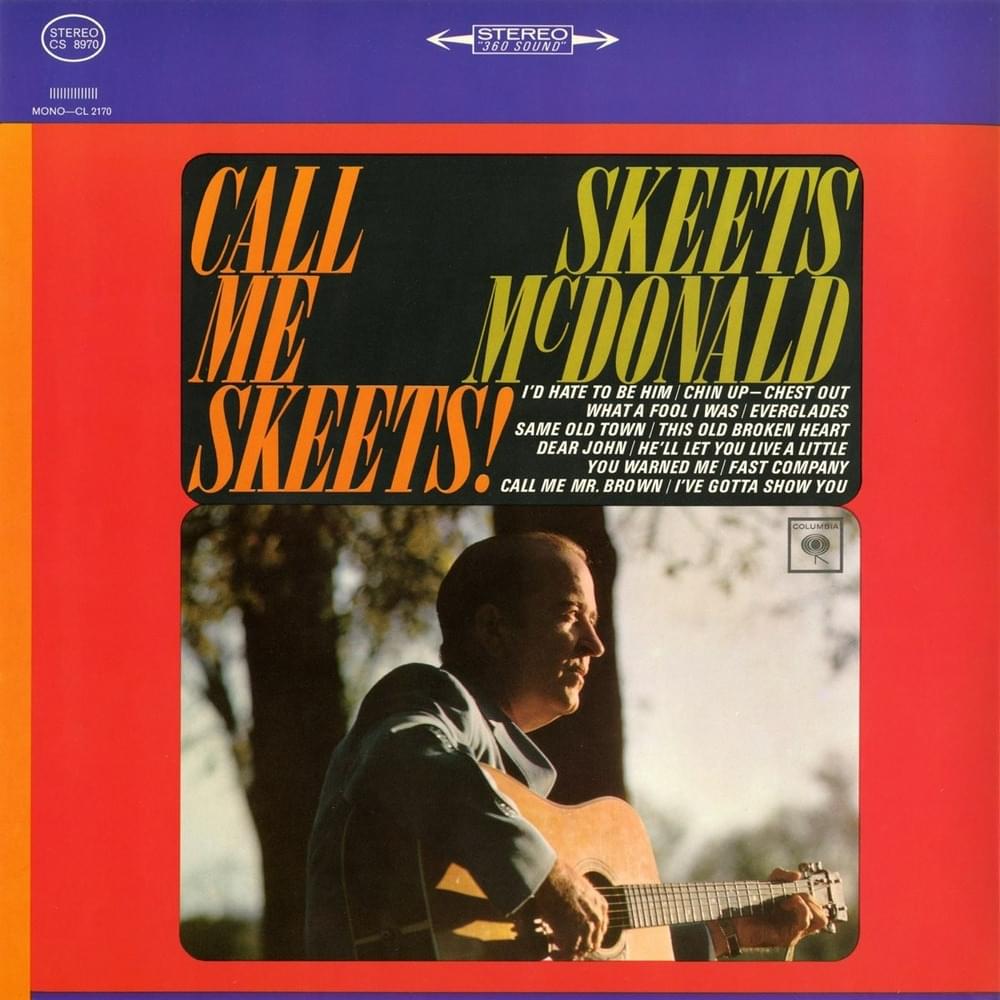
This track paints a picture of a clandestine relationship, one that must be kept hidden from public view. The narrator insists on a strict facade, a public persona of casual acquaintance. The core directive is clear: "Just say hello and call me Mr. Brown." This isn't just about a nickname; it's a coded instruction to maintain distance and deny any deeper connection when others are present. The lyrics immediately establish a tension between the private intimacy the couple shares and the public performance they must enact.
The central conflict here is the agonizing push and pull between forbidden desire and the necessity of secrecy. The narrator acknowledges the inherent wrongness of their situation – "It seems so right to be so wrong" – yet admits an inability to break free, confessing, "I just can't give you up." This internal struggle fuels the song's emotional weight, highlighting the pain of loving someone you can't openly acknowledge. The repeated plea to meet "somewhere outside of town" underscores the desperate need for a private space away from prying eyes.
The most striking element is the deliberate construction of a public identity, "Mr. Brown," as a shield for their true feelings. This persona is a deliberate act of misdirection, designed to obscure the genuine affection described in private moments like the meeting of "sweet lips." The contrast between the intimate, almost desperate longing expressed in the verses and the sterile formality of "Mr. Brown" creates a poignant irony. The handshake, meant to be a brief, formal gesture, becomes a moment of suppressed desire, "hard to let you go."
Ultimately, the effectiveness of these lyrics lies in their stark portrayal of a love that exists in the shadows. The simple, repetitive refrain of "call me Mr. Brown" acts as a constant reminder of the barriers they face. It's the quiet desperation in maintaining this charade, the acknowledgment of being "so wrong" yet unable to change it, that resonates. The song captures the specific ache of a hidden love, where every public interaction is a performance of indifference masking profound personal feeling.
 View Artist