Song Meaning
The lyrics paint a picture of a complicated relationship where one person feels constantly manipulated, yet drawn in. The narrator describes being "wind[s] up, let[s] down" and having their "world upside down," suggesting a chaotic dynamic. Despite this, there's a clear desire to invest time and energy, hoping the other person recognizes this commitment. This push and pull creates an immediate emotional tension, a blend of frustration and persistent affection.
The central conflict seems to stem from the narrator's unwavering loyalty versus the perceived instability of the other person. The narrator states, "I never say goodbye / 'Cause that would be a lie that I don't believe," highlighting a commitment that feels genuine to them, even if the relationship is difficult. This is contrasted with the other person's actions, which turn the narrator's "world upside down." The narrator also expresses a desire for a specific kind of connection, one that "spoil[s] me with loyalty," implying a need for steadfastness that might be missing or is being tested.
A striking element is the narrator's assertion of their own worth and the value of their devotion. They claim, "Don't have to spend a dime on you / 'Cause I know you don't need it," suggesting a self-sufficiency that allows them to focus on emotional investment rather than material exchange. This is further emphasized in the chorus where they offer a clear path forward: "leave the boy you have and I'll show you your path." This direct proposition underscores the narrator's belief that their offer of loyalty and stability is superior to the current situation, making their plea to "come lay with me" a powerful, albeit vulnerable, invitation.
Ultimately, the effectiveness of these lyrics lies in their raw portrayal of unreciprocated or uneven devotion. The narrator’s internal struggle between the difficulty of the situation and their deep-seated loyalty makes their plea compelling. The directness of their offer, coupled with the vulnerability of admitting it "don't feel the same when they stare at me," creates a resonant emotional core. It’s this blend of steadfastness and quiet desperation that makes the narrator's position so palpable.
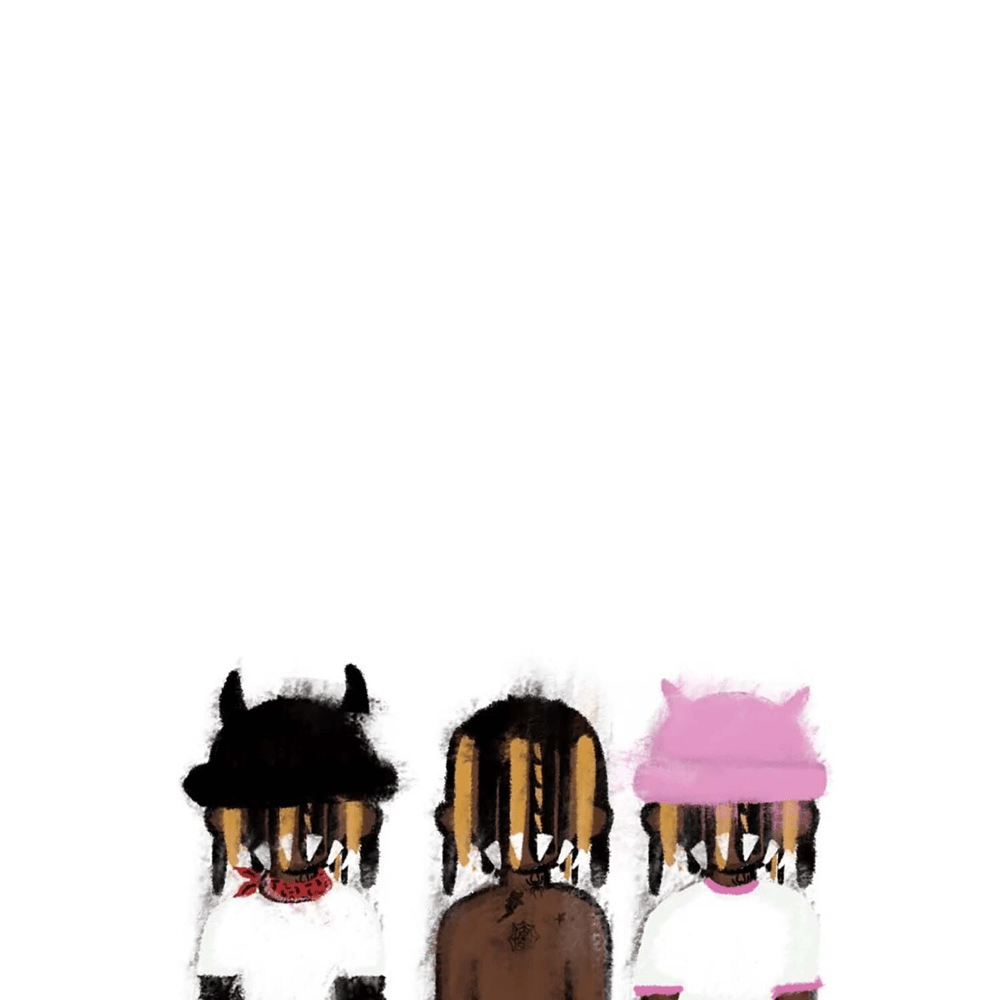
 View Artist