Song Meaning
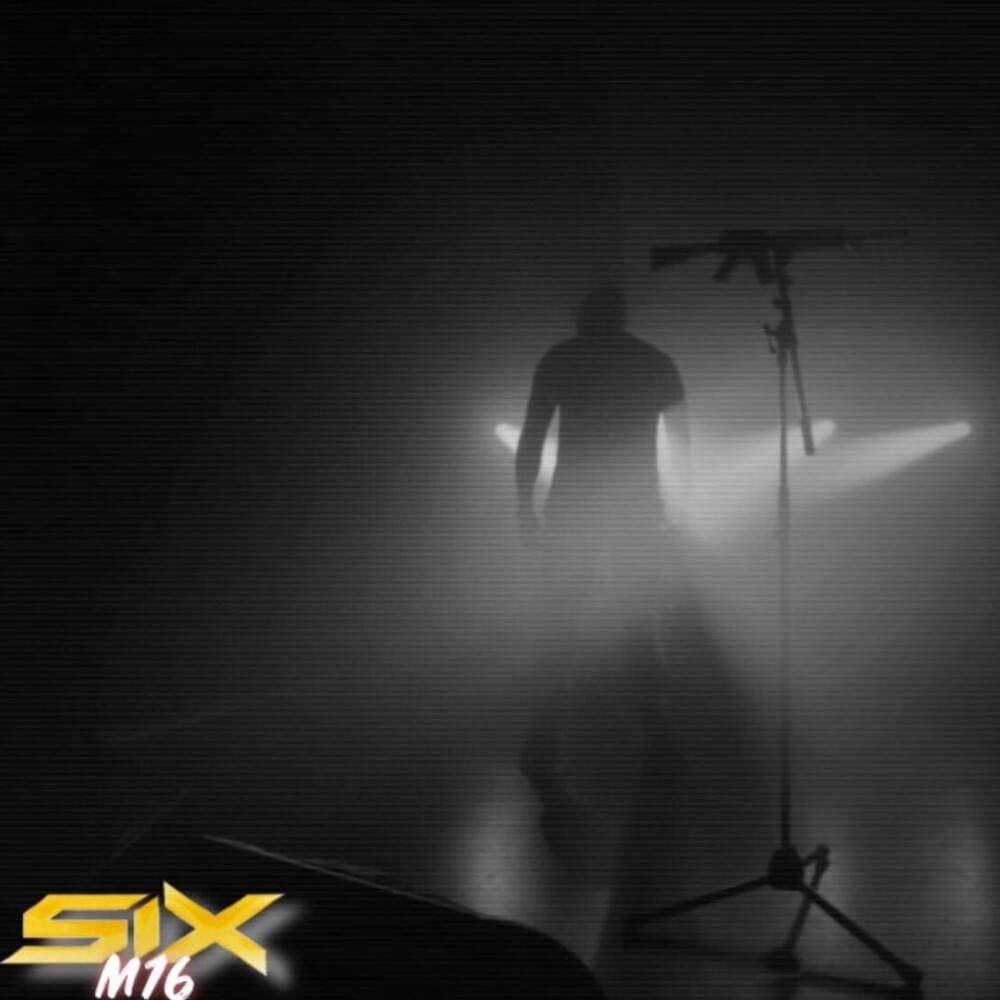
The lyrics paint a stark picture of a young man, referred to as "petit frère," caught in a cycle of violence and misplaced ambition. He's drawn to a firearm not for defense, but as a tool for asserting dominance and settling disputes, viewing violence as an end in itself. The narrator observes this trajectory with a sense of grim inevitability, noting the "trop d'orgueil" that prevents him from backing down. This pride, coupled with a desire for recognition, fuels his dangerous aspirations.
The central tension lies in the disconnect between "petit frère's" grand ambitions and his limited understanding of the consequences. He dreams of wielding power like a figurehead, "comme Franck Lucas," and leaving a mark on his territory, "marquer le 9.4." Yet, the lyrics suggest this path is a dead end, predicting "Ce petit con n'aura jamais 30 ans" and framing the gun as his "Premier flingue dernier printemps." His "folie" is unguided by any real "réseau," making his actions reckless and ultimately self-destructive.
The craft here is direct and unflinching, using stark imagery and repetition to hammer home the tragic reality. Phrases like "petit frère a un flingue" and "petit frère a la folie" emphasize the core issues. The contrast between his dreams of glory and the grim reality of his situation – a gun for "les mauvaises raisons" – is jarring. The prediction of his short life, "n'aura jamais 30 ans," serves as a brutal, almost clinical, assessment of his fate.
This writing is effective because it avoids sentimentality and instead presents a raw, observational account of a young life spiraling out of control. The specificity of the imagery, from the "9 millimètres" to the "9.4," grounds the narrative in a harsh reality. The narrator's detached yet critical tone amplifies the tragedy, highlighting how misguided pride and a thirst for power can lead to a premature and violent end, leaving only "les sous titres" of a life cut short.