Song Meaning
The lyrics paint a stark, desolate picture of an "empty house" perched on a ridge, a place that offers "shelter to the enemy." This isn't a cozy home but a site of death, with bodies "dead in the yard" and "hanging on a dying tree." The imagery is brutal and unsettling, immediately establishing a tone of profound isolation and decay.
The central idea is that isolation breeds emptiness, equating the state of being "alone" to being an "empty house." This isn't just a physical structure; it's a metaphor for the human condition when disconnected. The "wolf wind blows" carrying "songs on the air / That no human heart will know," suggesting a world of unheard experiences and profound loneliness. The narrator questions identity, concluding, "We're but a painful memory / Of our own undying love," a haunting reflection on lost connection.
The repetition of "Every man alone / Is an empty house" hammers home the core theme with relentless force. This isn't a gentle observation; it's a stark pronouncement. The phrase "dry and silent tongue" further emphasizes a lack of communication and expression, a voice that cannot reach out. The plea, "Come, oh come to me / This empty house / Calls out to thee," introduces a desperate yearning for connection, a stark contrast to the pervasive isolation described earlier.
This writing is effective because it uses harsh, visceral imagery to convey a deep emotional truth about solitude. The juxtaposition of the physical "empty house" with the internal state of being "alone" creates a powerful, unsettling resonance. The lyrics don't offer comfort; instead, they confront the listener with the stark reality of disconnection, making the eventual plea for companionship feel all the more urgent and poignant.
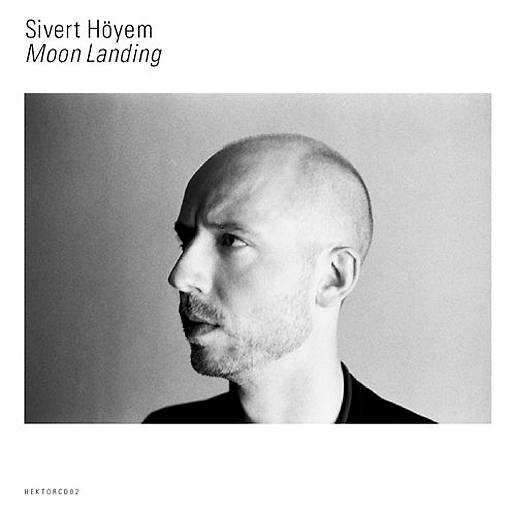
 View Artist