Song Meaning
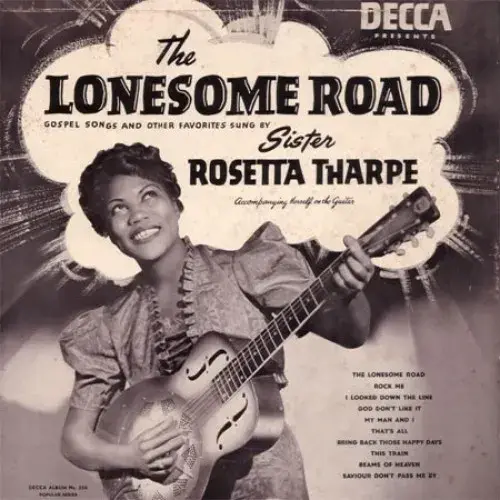
Sister Rosetta Tharpe's "The Lonesome Road" isn't just a gospel standard; it's a stark, blues-infused meditation on mortality and the choices we make before facing judgment. The 'lonesome road' itself is a metaphor, well-worn but deeply resonant, for the journey of life, but more acutely, the final stretch toward death. Tharpe's repetition of 'Look down, look down that lonesome road / Before you travel on' serves as both a warning and an invitation to introspection. It's a call to examine the path we're on, to consider the consequences of our actions before it's too late to turn back or make amends.
The song's power lies in its simplicity and directness. There are no elaborate theological arguments, just a raw, emotional plea for self-awareness. The 'weary, totin' such a load' line speaks to the burdens we carry throughout life – sins, regrets, unfulfilled dreams – that weigh us down and make the journey more arduous. This burden isn't just physical; it's the psychological weight of our past. The juxtaposition of looking down at the 'lonesome road' with looking 'up and greet your maker / For Gabriel blows his horn' creates a powerful sense of impending judgment. It suggests that our earthly journey is inextricably linked to our spiritual destiny.
Ultimately, "The Lonesome Road," in Sister Rosetta Tharpe's masterful hands, becomes a profound exploration of the human condition. It's a reminder that life is fleeting and that we must confront our choices and seek redemption before we reach the end of the road. The song’s meaning endures because it taps into universal anxieties about death, judgment, and the search for meaning in a world filled with hardship. It’s a stark, beautiful reminder of our shared mortality.
 View Artist