Song Meaning
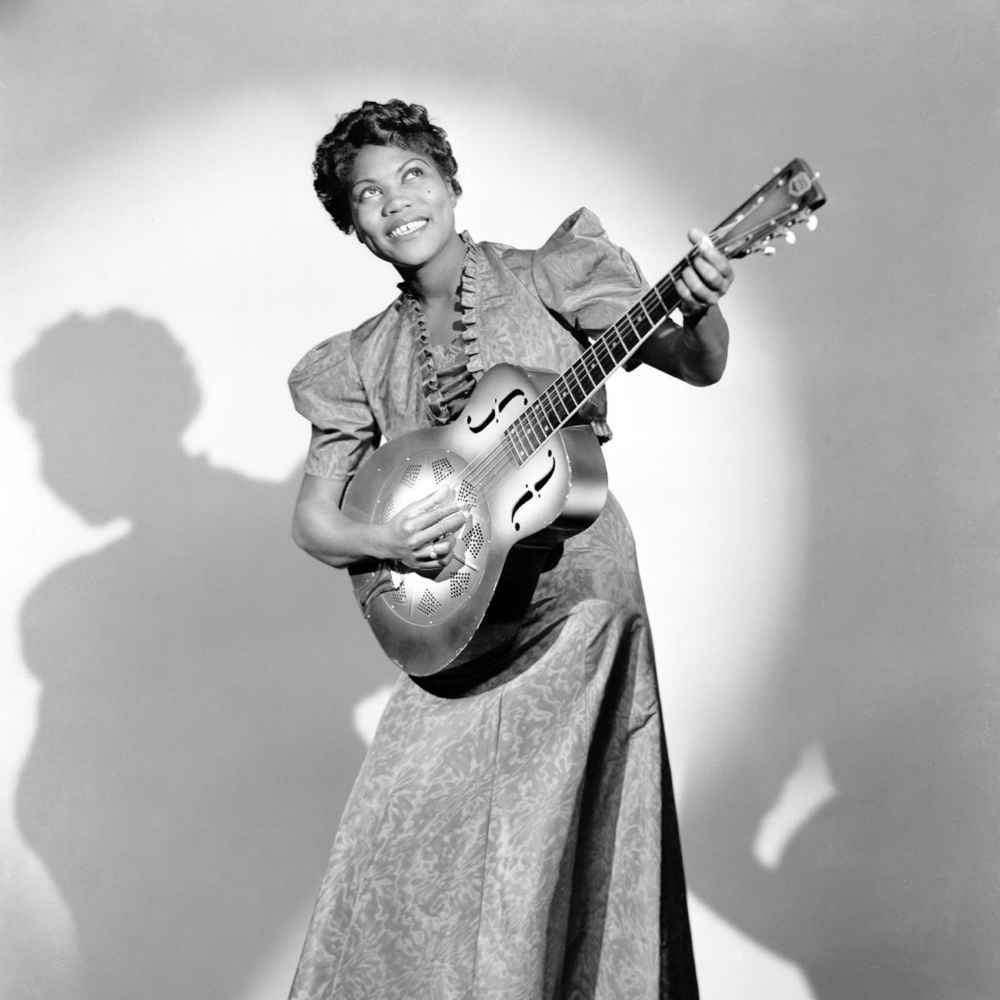
Sister Rosetta Tharpe's rendition of "O Little Town of Bethlehem" isn't merely a carol; it's a concentrated dose of hope delivered with the force of gospel conviction. The song’s enduring appeal lies in its deceptively simple structure, juxtaposing the quiet stillness of Bethlehem with the seismic event that unfolded there. Tharpe, a master of emotional delivery, understands this duality perfectly. She doesn't just sing about the town; she evokes a sense of hushed anticipation, the kind that precedes a revelation. It’s a psychological masterstroke, tapping into our innate desire for meaning and transcendence. The lyrics themselves build on this contrast, highlighting the silent, dreamless sleep of the town against the backdrop of the "everlasting Light" born within it. This light, of course, represents Christ, but on a deeper level, it symbolizes the potential for divine intervention within the mundane.
The second verse shifts inward, focusing on the individual's capacity for receiving grace. "How silently, how silently / The wondrous Gift is given" speaks to the deeply personal and often unacknowledged ways in which faith manifests. Tharpe's understanding, whether intuitive or deeply studied, presents a nuanced take on spiritual experience. It’s not about grand pronouncements or performative piety, but rather the quiet receptivity of a "meek soul." In a world saturated with noise and distraction, this verse serves as a potent reminder to cultivate inner stillness and openness. This also speaks to the psychological principle of priming; being open and receptive makes one more likely to find and accept the gift of faith.
Ultimately, "O Little Town of Bethlehem" as performed by Sister Rosetta Tharpe, is a plea for personal transformation. The final verse is a direct supplication: "Descend to us, we pray / Cast out our sins and enter in / Be born in us today." This isn't just a historical recounting; it's an active invitation for spiritual renewal. Tharpe’s interpretation transcends simple nativity narrative, becoming a powerful meditation on faith, hope, and the enduring possibility of rebirth, both literal and metaphorical. The song's meaning is not just about remembering a past event but internalizing its transformative power in the present.
 View Artist