Song Meaning
The lyrics paint a vivid picture of spring's arrival, where fresh winds playfully whisper around groves, likening them to lovers. The rushing streams, unable to rest, surge towards the sea, mirroring a restless energy. This natural dynamism is juxtaposed with a plea to the heart to listen and lament, as the sound of the "vallhorn" (herding horn) fades among the cliffs, and the "Strömkarlen" (water spirit) plays, sharing sorrows that echo through the landscape. The scene is one of vibrant, almost urgent, natural renewal intertwined with a deep sense of melancholy and fading sound.
The core emotional tension arises from the contrast between the external world's vigorous awakening and an internal, profound sorrow. The heart is urged to break, suggesting an overwhelming grief, particularly tied to a final, remembered moment of love. The imagery of "ögonens låga" (eyes' flame) and "mun emot mun och klappande bröst" (mouth to mouth and beating breast) evokes a passionate, intimate farewell. This intense personal pain is set against the backdrop of a landscape that, while beautiful and green, seems to amplify the narrator's lament.
A striking element is the recurring figure of the "Strömkarlen," a mythical water spirit often associated with sorrow and enchantment in Scandinavian folklore. The spirit plays, and "sorgerna delar" (shares the sorrows), suggesting a shared burden of grief that permeates the natural world. This personification of sorrow within the landscape, alongside the fading horn calls and the lover's departed voice, creates a powerful atmosphere where nature itself seems to weep with the narrator. The lyrics masterfully weave these elements, making the external environment a mirror and amplifier of internal desolation.
What makes these lyrics so resonant is their ability to capture a specific, poignant ache within a broader scene of natural rebirth. The vibrant images of spring—the whispering winds, the rushing streams, the green valleys, the thrush's song—serve not to uplift, but to highlight the depth of the narrator's loss. The craft lies in this deliberate contrast, where the beauty of the world underscores the pain of a final goodbye, making the sorrow feel both personal and elemental, echoing through the very fabric of the landscape.
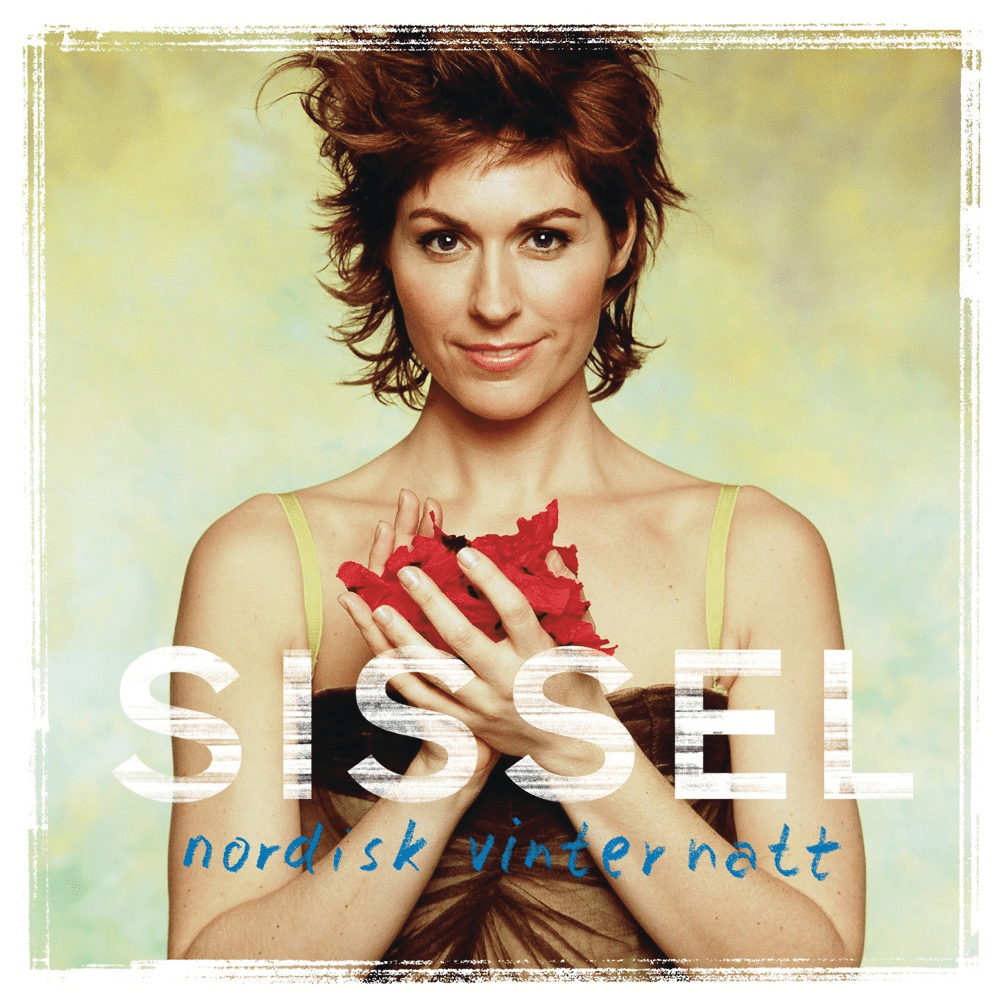
 View Artist