Song Meaning
The lyrics open with a direct address, urging the young to listen closely to a message about the fleeting nature of youth. The imagery of a wilting flower and a fading day emphasizes how quickly time passes, particularly for the young. This sets a melancholic yet urgent tone, a common thread in reflections on aging and lost opportunities.
The central tension arises from the contrast between what time takes and what endures. While the lyrics acknowledge that 'allting gjømest no bort med tidi' (everything is hidden away with time), they assert that 'alli gløymest det ei hev lidi' (not everything forgotten has suffered). This suggests a distinction between mere disappearance and meaningful loss, hinting that some experiences, particularly those tied to love, are uniquely preserved and even grow stronger over time.
A striking, almost whimsical, shift occurs in the third stanza with the rejection of a 'tjørebrennar' (tar burner) in favor of a 'spelemann' (fiddler). The former is associated with 'svarte hendar' (black hands), a stark image of labor or perhaps corruption, while the latter 'leiker fint med pattan' (plays nicely with the fiddle). This contrast seems to elevate the value of artistry and joy over harsh realities, suggesting a preference for a life filled with music and skillful expression.
The final stanza offers a beautiful metaphor for the generative power of song. The narrator's 'visur' (songs or verses) are compared to 'heggjeblomane' (hawthorn blossoms) that fall into one's lap, multiplying the more they are sung. This cyclical, self-renewing quality of artistic creation provides a powerful counterpoint to the decay and loss described earlier, suggesting that while youth fades, art can offer a form of immortality.
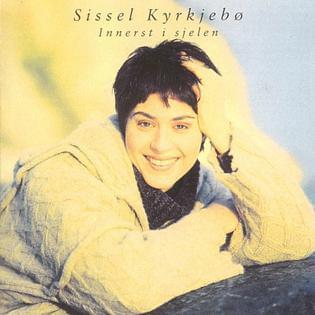
 View Artist