Song Meaning
The narrator observes a chilling stillness where vibrant connection used to be. Their lover's eyes have lost their sparkle, and the simple act of a kiss now feels hollow, devoid of its former thrill. This quiet decay leads to a stark realization: "the masquerade is over." It's a somber acknowledgment that the performance of love has ended, leaving behind an emptiness that echoes with the repeated, mournful phrase, "and so is love."
The core tension lies in the disconnect between outward appearance and internal reality. The narrator insists, "You look the same, you're a lot the same," yet their own heart unequivocally rejects this sameness, crying "no, no, you're not the same." This internal certainty clashes with the unchanging external presentation, highlighting how profound emotional shifts can occur beneath a static surface. The once-meaningful words have devolved into mere "routine," further emphasizing the loss of genuine communication.
The most striking image is the narrator's contemplation of becoming "Pagliacci." This allusion to the tragic clown, who must laugh while weeping inside, perfectly captures the forced cheerfulness required to mask a broken heart. It's a powerful metaphor for maintaining a facade of happiness when love has truly died, suggesting a painful performance is about to begin.
This song hits hard because it articulates the quiet, creeping dread of a relationship's end, not through explosive conflict, but through the slow fading of intimacy. The repetition of "and so is love" isn't just a refrain; it's a death knell, emphasizing the finality and the profound sadness of love's demise. The narrator's willingness to embrace the Pagliacci role underscores the heartbreaking effort required to pretend when the magic is gone.
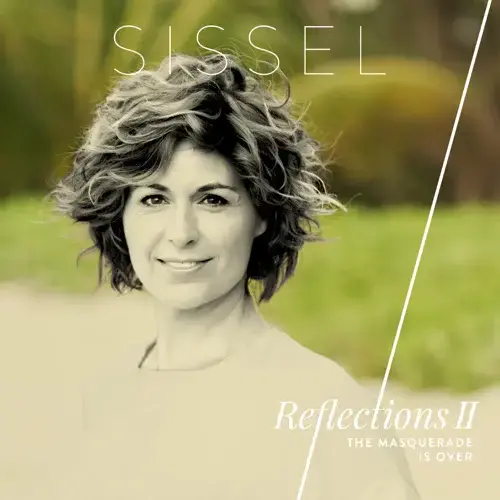
 View Artist