Song Meaning
The narrator is caught in a cycle of restless movement, confessing a deep-seated reluctance to return to their established life. There's a palpable sense of being adrift, questioning the very impulse to wander despite the miles traveled and sleepless nights. This isn't a simple case of wanderlust; it's a more complex internal struggle that fuels the constant motion.
The core tension arises from a conflict between affection for home and a powerful, almost intoxicating, sense of freedom experienced elsewhere. The lyrics explicitly state, "It's not I don't love her," acknowledging a connection to a partner or family. Yet, this love is overshadowed by the allure of the outside world, which has apparently led to a temporary lapse in responsibility and a feeling of being disconnected from their roots.
The most striking aspect is the self-awareness of how external changes have impacted the narrator's internal state. The "changes in the city" seem to have offered an escape, a place where they "got too free," to the point of forgetting "I had a family." This suggests that the environment itself facilitated a shedding of obligations, leading to a temporary, perhaps regrettable, detachment. The repetition of "travelin' over miles" and "Why oh, why do I roam?" underscores the persistent, almost involuntary nature of this behavior.
Ultimately, the effectiveness of these lyrics lies in their raw, confessional tone. The narrator isn't making excuses but articulating a genuine internal conflict. The admission of becoming "a fool" and forgetting their family, despite loving them, paints a vivid picture of someone grappling with the consequences of their own choices and the seductive power of newfound liberty, even as the desire to return home remains elusive.
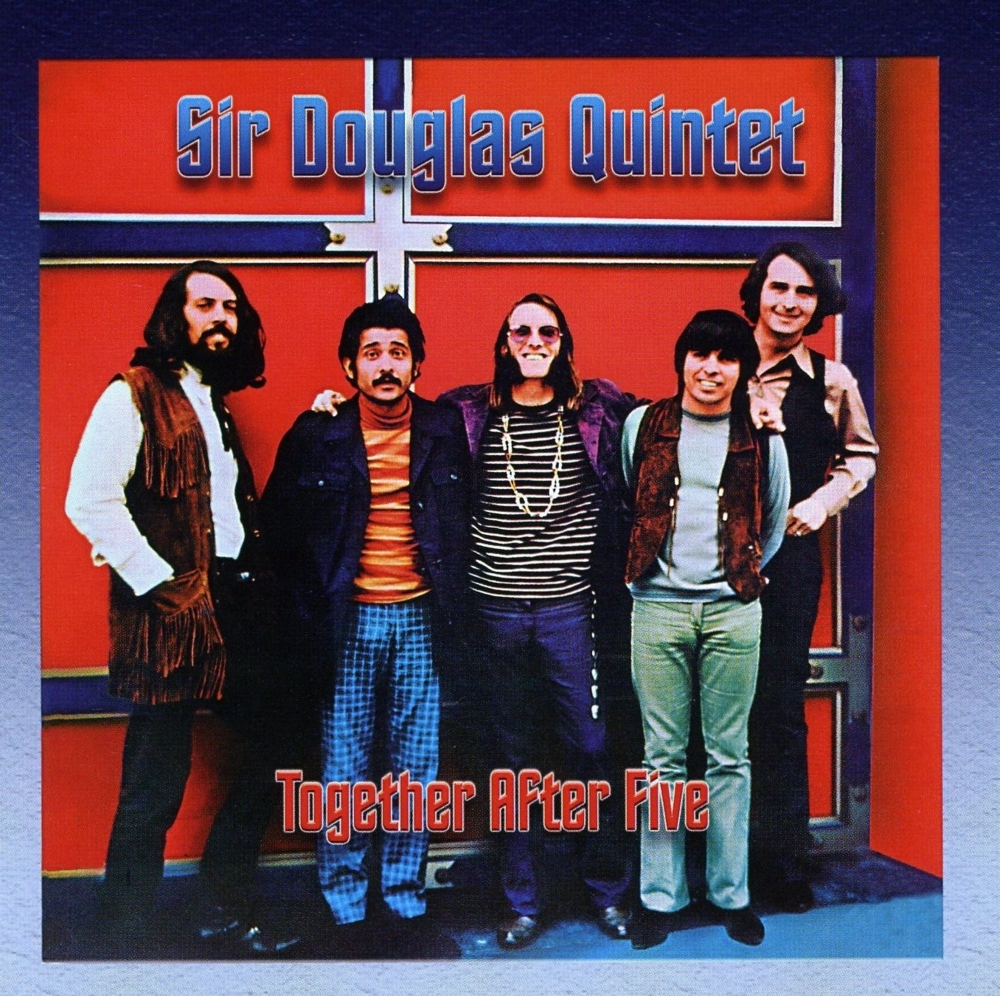
 View Artist