Song Meaning
This song opens with a direct, almost urgent plea: "Sing with me, country girl." Yet, this invitation is immediately complicated by a warning: "But don't talk to me." The narrator seems to want shared expression, but not conversation, suggesting a desire for a specific kind of communion. The repeated phrase "You'll become people's languages" hangs heavy, hinting at a fear of assimilation or losing one's distinct voice through open discourse.
The central tension lies in this push and pull between connection and preservation. The narrator invites the "country girl" to "rejoice with me, be merry with me / along with me in the countryside." This is an invitation to shared joy and perhaps a return to simpler, more communal ways. However, the underlying anxiety about becoming "people's languages" suggests that this shared experience might come at the cost of individuality or a specific cultural identity, creating a poignant conflict between belonging and selfhood.
The lyrics employ vivid, pastoral imagery to underscore this tension. The idea of sorrows and sighs falling "by the roadside" paints a picture of shedding burdens in a natural, open setting. The vision of "little flowers blooming / with nine leaves" is a specific, almost mystical detail that could represent a unique, perhaps fragile, blossoming. This contrasts with the more pragmatic, communal act of "mowing barley / in a stony field," grounding the ethereal in the everyday.
Ultimately, the song's power comes from its subtle portrayal of a complex emotional landscape. It’s not just a simple call to sing; it’s a nuanced expression of wanting to share joy while simultaneously guarding against an unnamed threat of dissolution. The specific, almost coded language, like the warning against speaking, makes the desire for connection feel both deeply felt and fraught with a quiet, underlying fear.
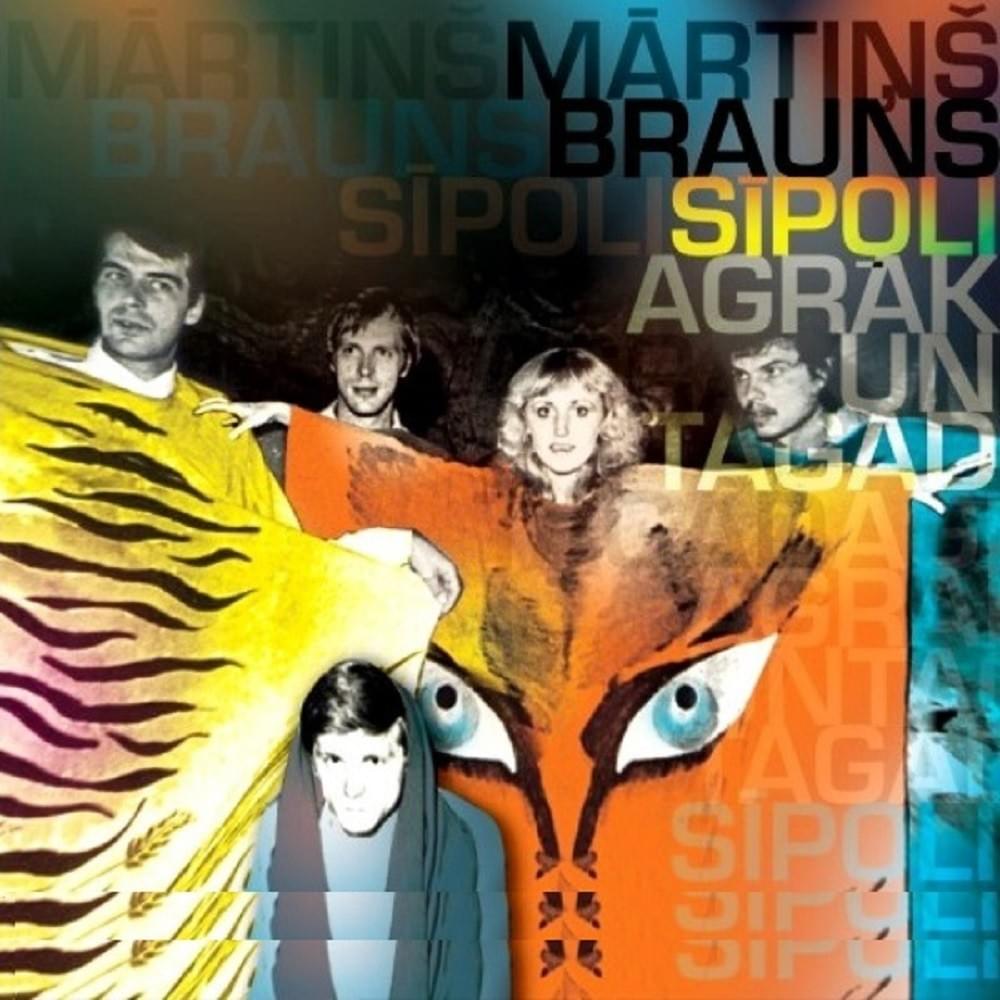
 View Artist