Song Meaning
The lyrics paint a stark picture of a young girl adrift, her disorientation emphasized by the insistent, almost accusatory repetition of "You're lost, little girl." This isn't a gentle inquiry; it's a blunt declaration, immediately followed by the probing question, "tell me who are you?" The narrator seems to be confronting her with her own state of being, forcing a recognition of her lostness.
The central tension arises from the narrator's conviction that the girl possesses an inner knowledge or capability she's not accessing. The chorus hammers home the idea, "I think that you know what to do," immediately undercut by the acknowledgment, "Impossible? Yes, but it's true." This creates a frustrating paradox: the girl is perceived as capable, yet simultaneously trapped in a state of inaction or confusion that makes her potential seem unattainable.
The most striking aspect of the craft is the relentless repetition, not just of "You're lost," but also the near-identical phrasing in the chorus. This creates a sense of being trapped in a loop, mirroring the girl's own perceived inability to break free from her lost state. The narrator's certainty about her hidden knowledge clashes with the apparent reality of her confusion, highlighting a deep disconnect.
Ultimately, the effectiveness lies in this unsettling contrast. The lyrics don't offer comfort or a solution; instead, they present a raw, almost taunting observation of someone struggling. The repeated phrases and the narrator's insistent, yet contradictory, pronouncements leave the listener with a lingering sense of unease about the girl's predicament and the narrator's detached, yet knowing, stance.
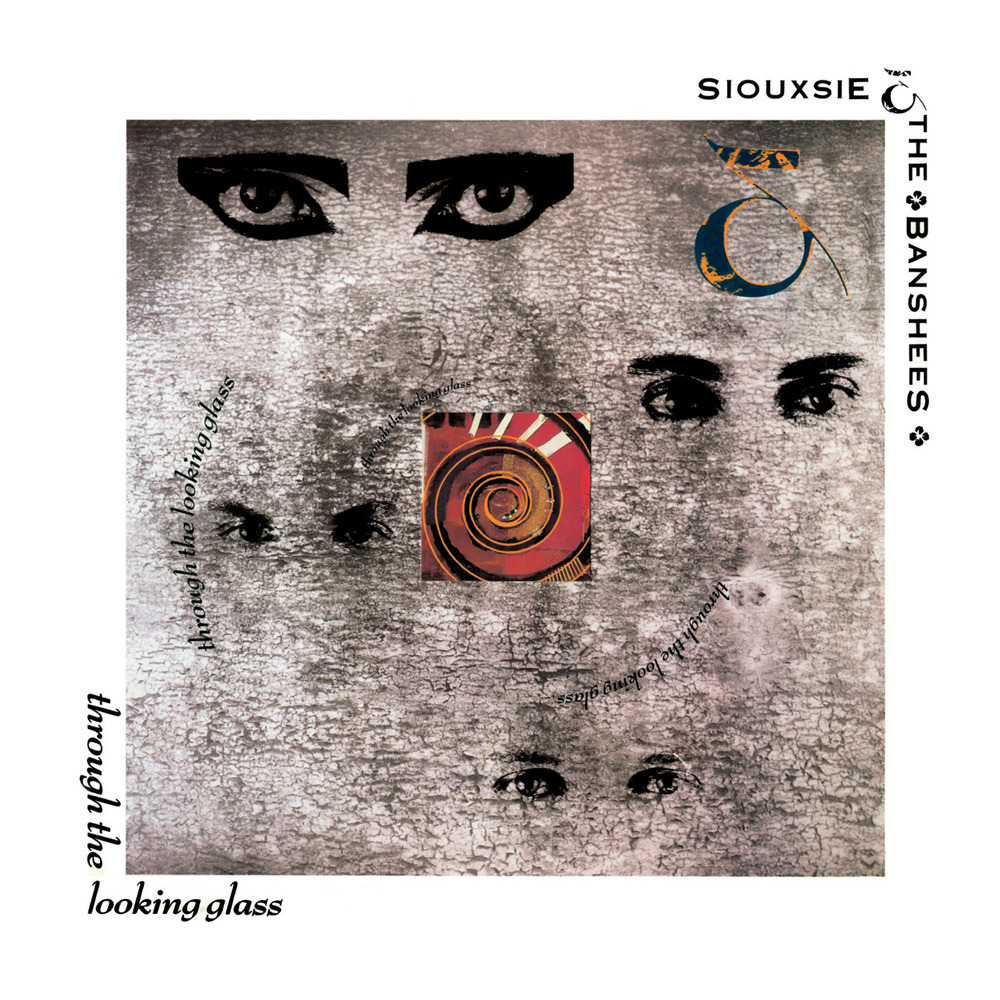
 View Artist